
Built by hand, in a barn outside Midway.
This is a workshop, not a charity. We make wagons the way our grandfathers did — and we make them big enough for the people who keep getting left behind.
Fewer than a dozen left.
There are fewer than a dozen working wagon-makers in America today. The men and women who can still bend white oak with steam, forge iron banding, and lay down a true wagon-wheel rim — they're mostly in their seventies.
William “Kelly” Hicksis one of them. He learned the craft over decades of working with wood and iron in East Texas, and started Healin' Wheels because the wagons he grew up around had no seat for anyone in a wheelchair.
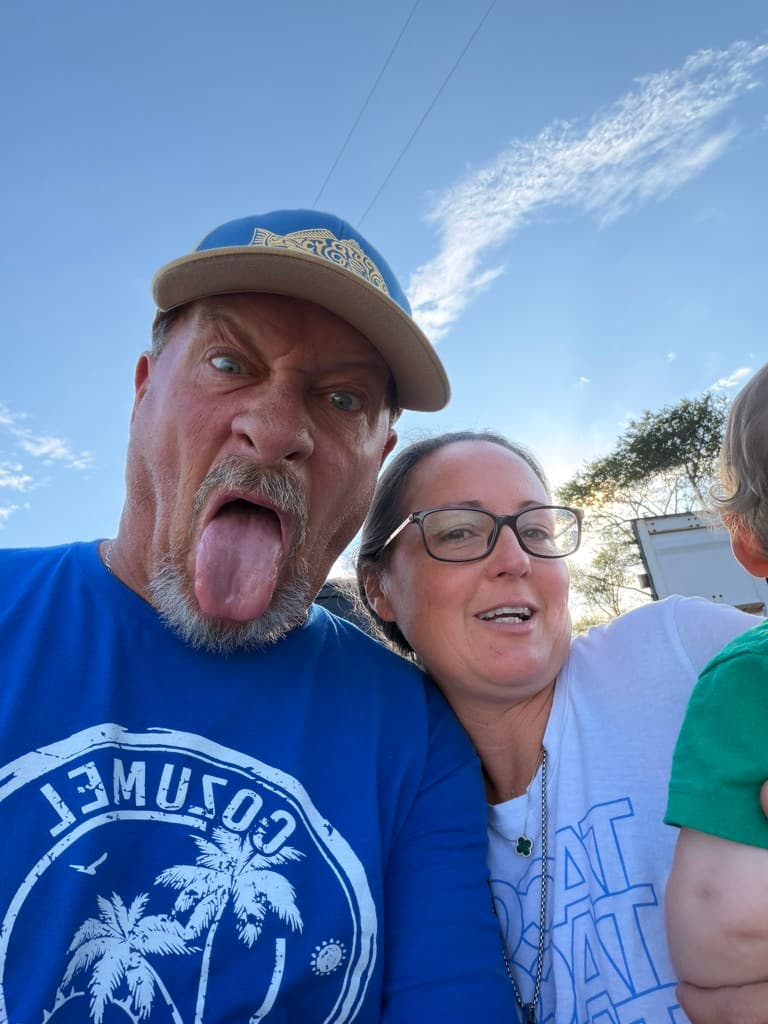 William “Kelly” Hicks · Founder & Master Wagon Maker · with Kristy
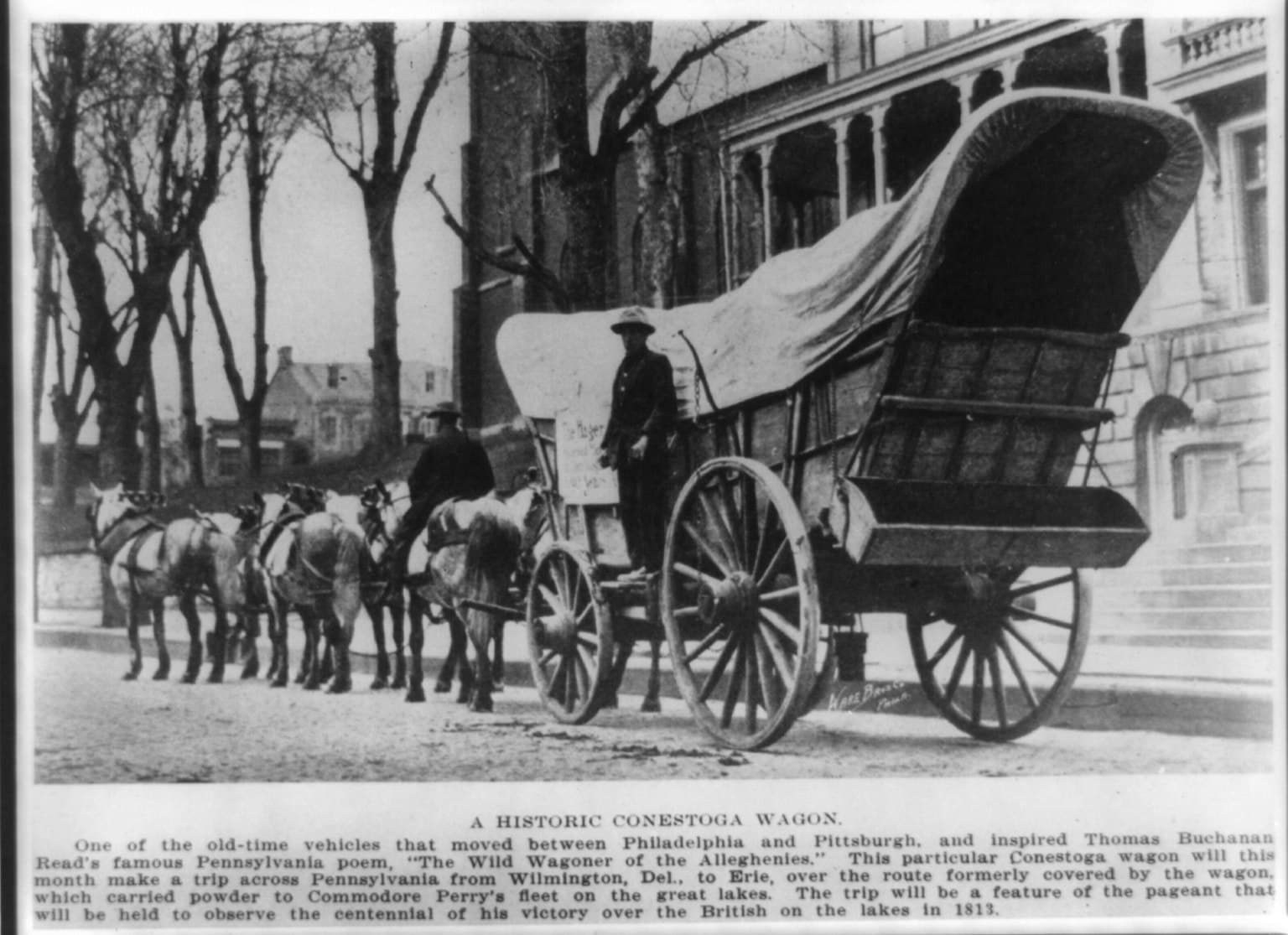 Historic Conestoga · Library of Congress · early 1900s
Access belongs in the wood.
The Houston Livestock Show and Rodeo is one of the largest in the world. For decades it had a single four-person handicap wagon. One. It would sit in the back, painted institutional grey, with a hydraulic lift that broke half the time.
We decided we'd rather build heritage wagons that start accessible. Two tie-downs. A ramp that's part of the rear gate. The same white oak as everything else. No grey paint anywhere on the property.
A barn outside Midway. Tools on the wall.
The shop sits on Wiseman Road in Midway, Texas — Madison County, between Huntsville and Centerville. Kelly opens the doors at sunrise; apprentices show up not long after. The smell is sawdust, hot iron, and coffee.
Most days, a wagon is in the middle of the floor at some stage — frame square but not yet planked, or bands cooling in the slack tub, or leather laid out for stitching. We invite people in. The work doesn't belong to us; it belongs to the craft.
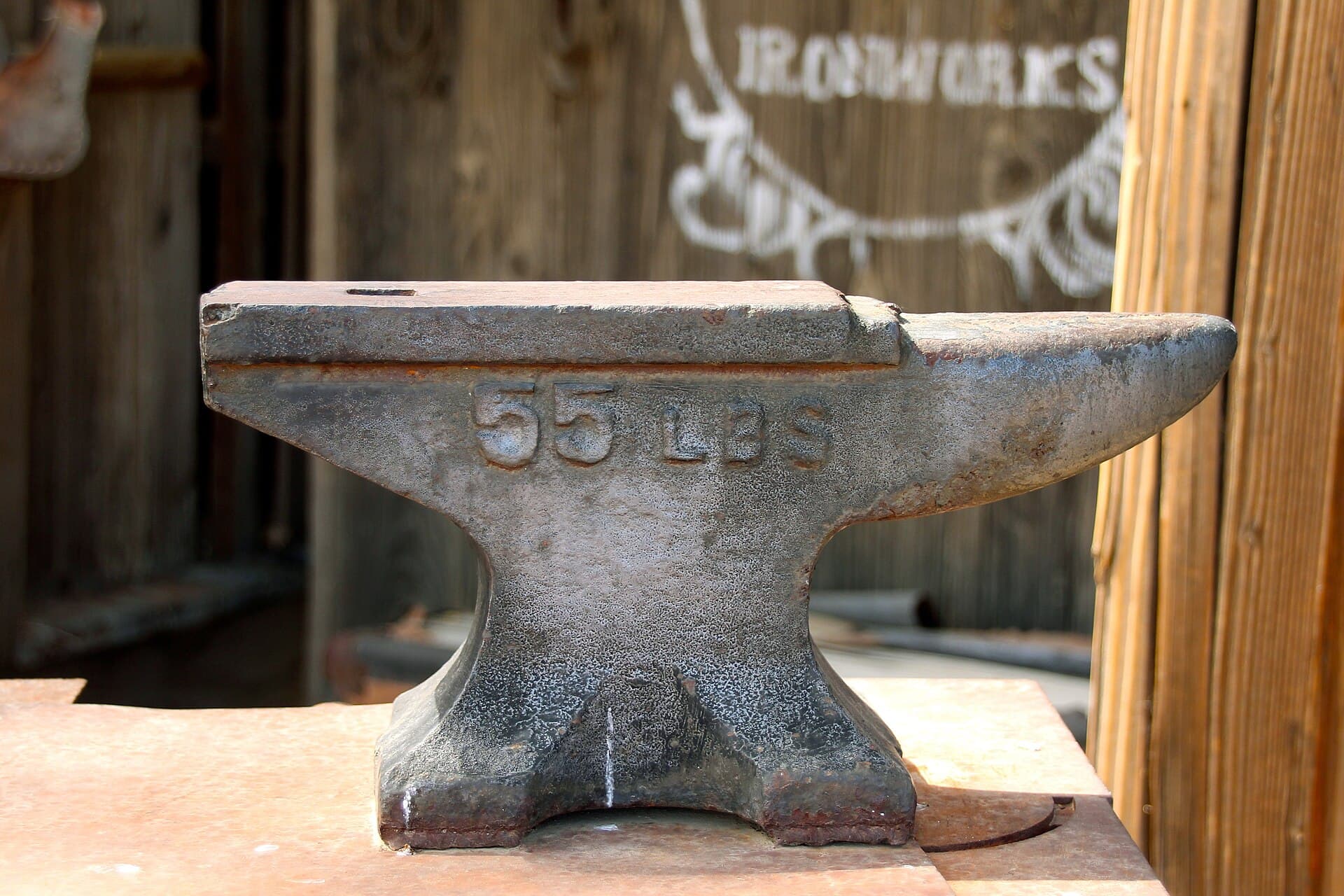 Blacksmith forge · anvil at rest · what our shop looks like