Healin' Wheels

Honest credit

Image credits & licenses.

Healin' Wheels uses public-domain and Creative Commons photographs from Wikimedia Commons and the Library of Congress until our own commissioned golden-hour photography is ready. Every image is credited below.
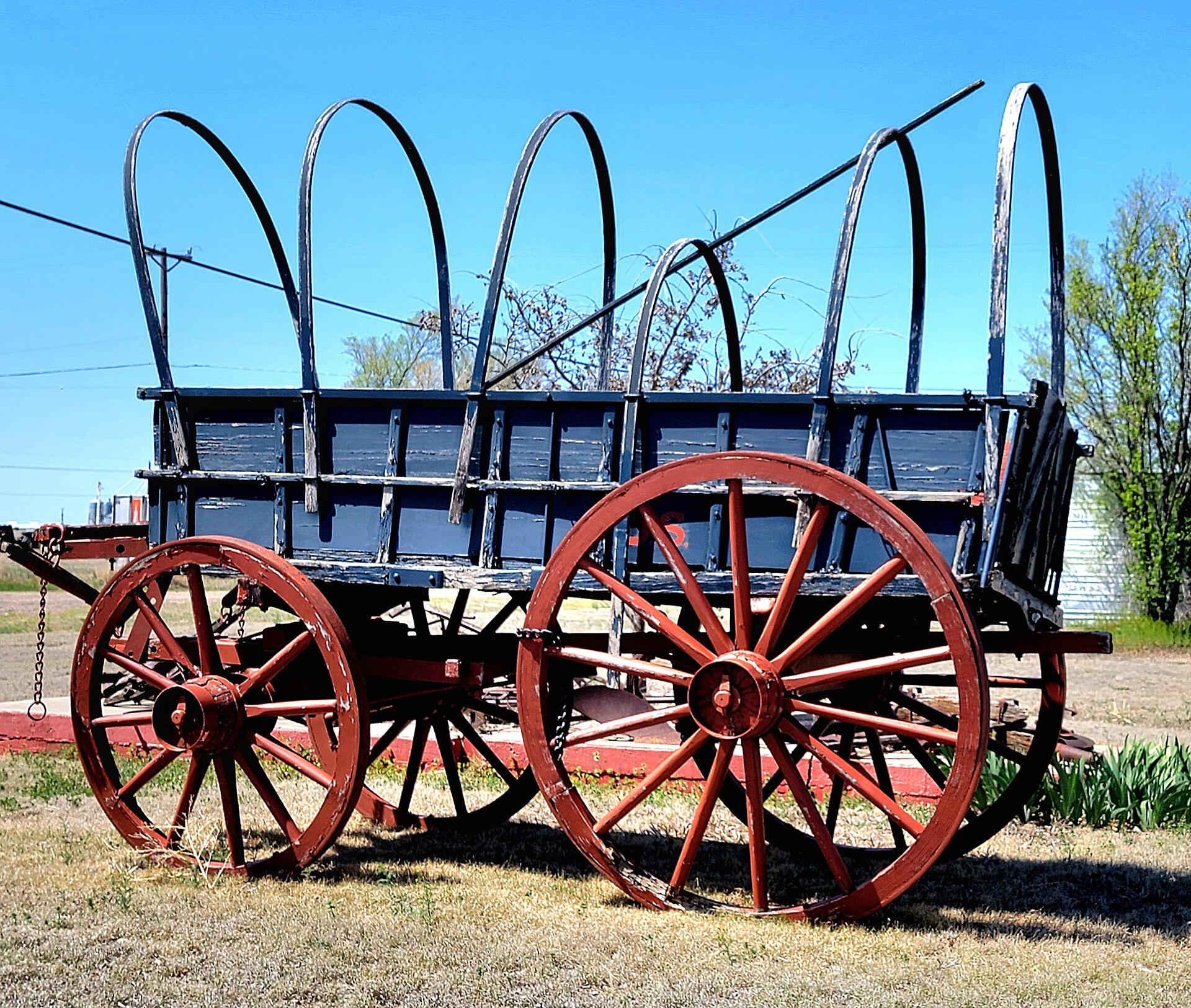
  • A Conestoga wagon parked outside in Vega, Texas — restored, in full sun.

    Conestoga wagon · Vega, Texas · a working example of the form we build
    By Cullen328 (Wikimedia Commons) CC BY-SA 4.0 · source

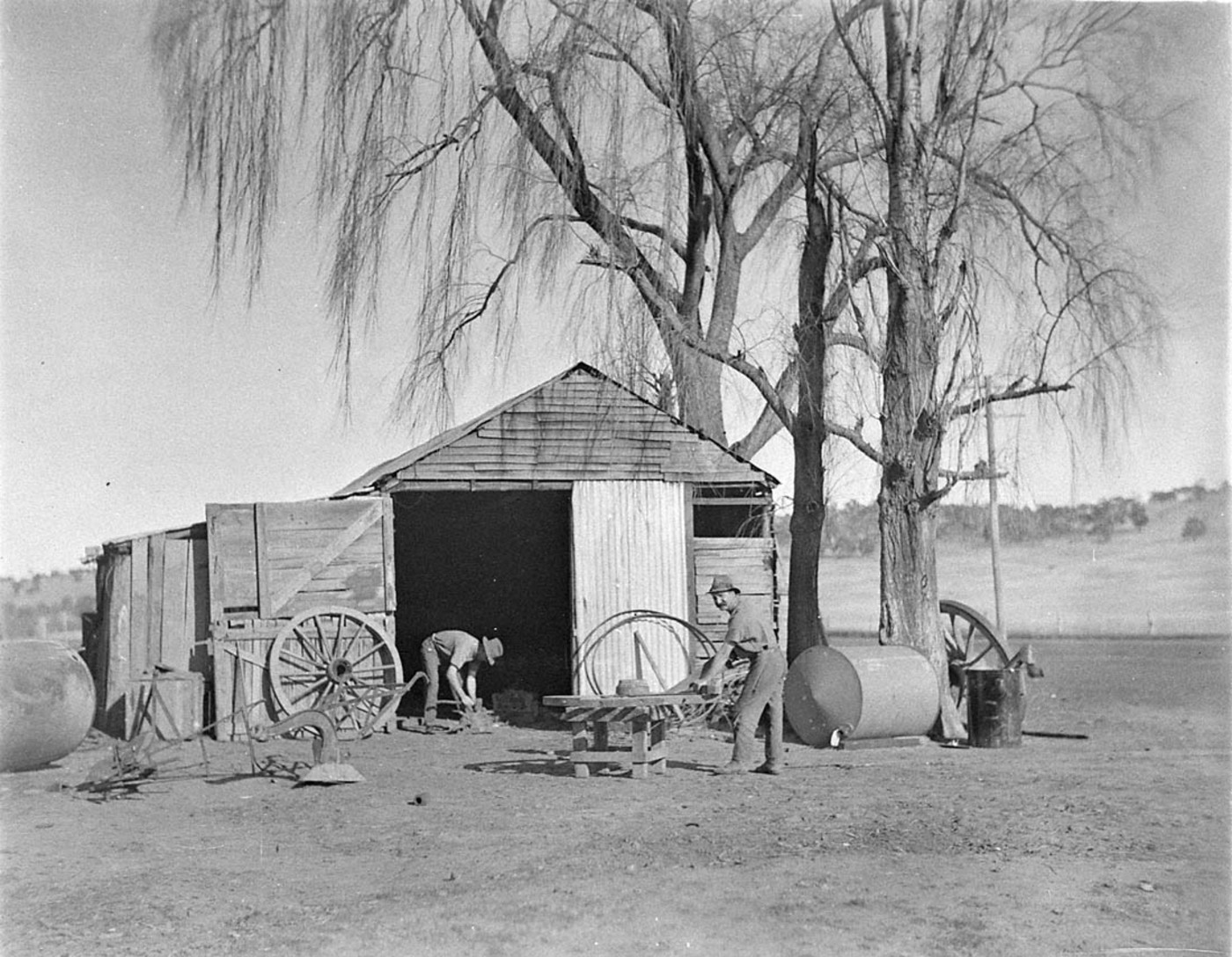
  • Two wheelwrights working on a wagon wheel at Jindabyne — historical archive photograph.

    Wheelwrights at the wheel · archival photograph · Sam Hood
    By Sam Hood (State Library of NSW) Public domain · source

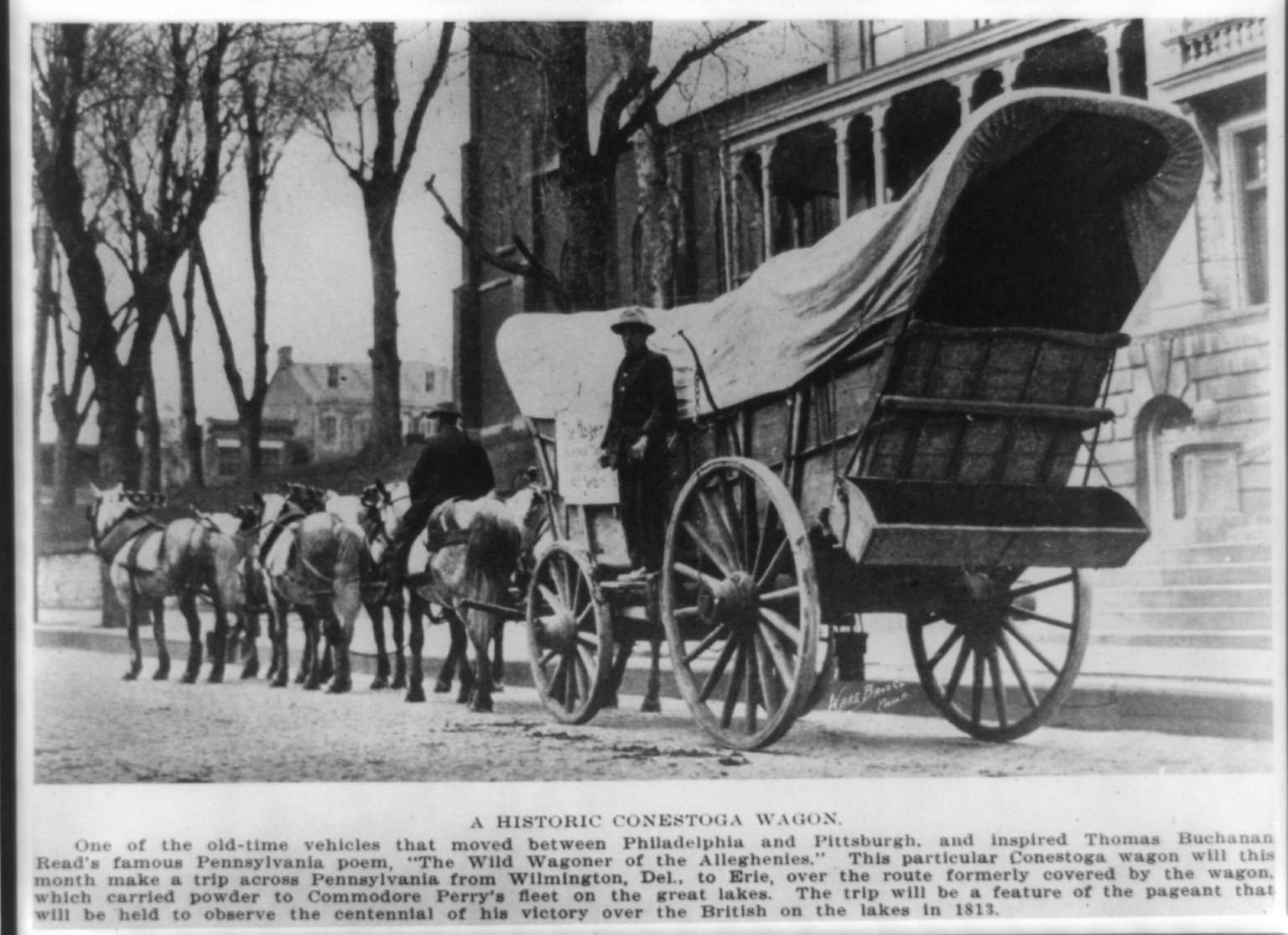
  • A historic Conestoga wagon — early 20th-century photograph, Library of Congress.

    Historic Conestoga · Library of Congress · early 1900s
    By Ware Bros. Co., photographer (Library of Congress) Public domain · source

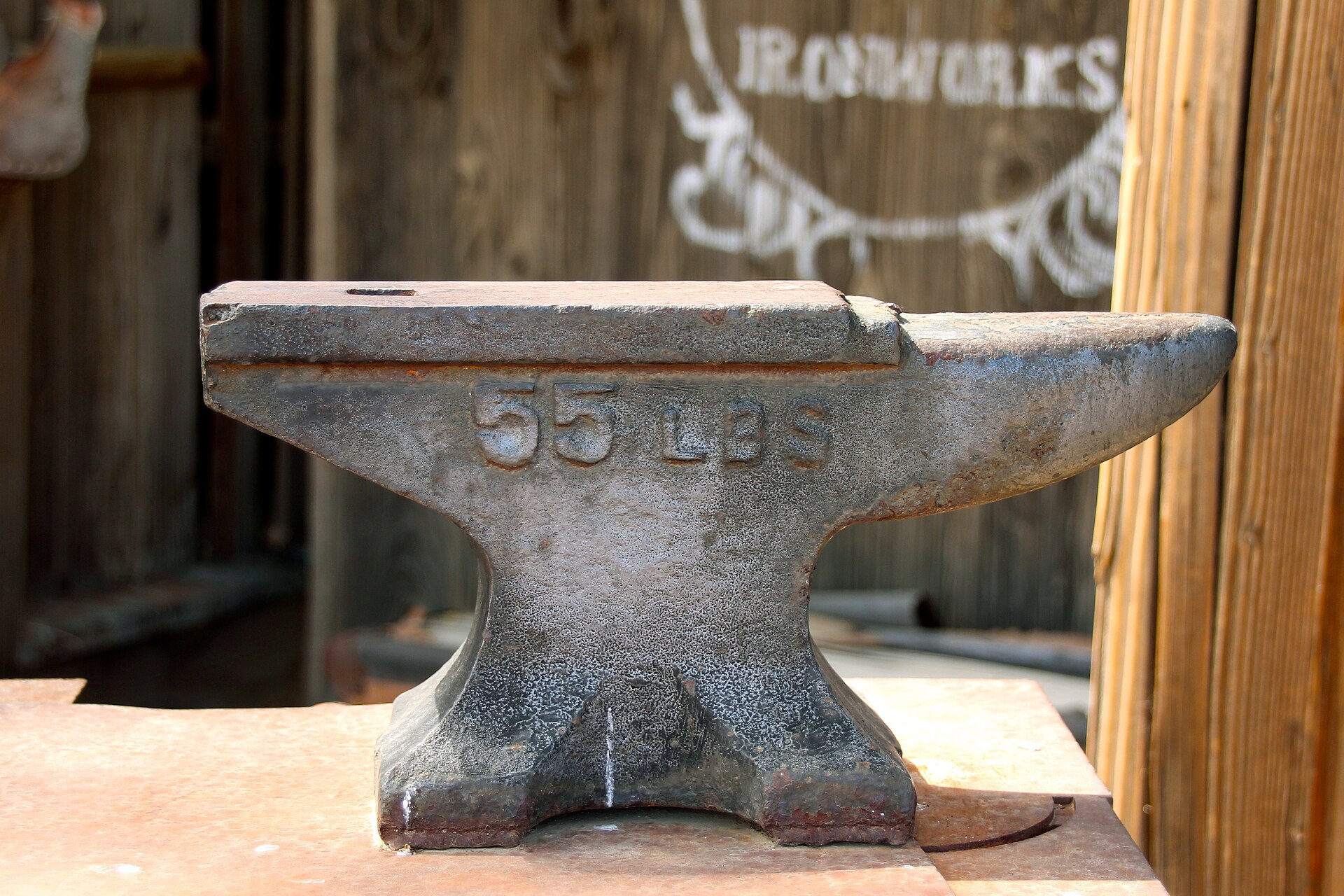
  • Anvil and iron tools in a working blacksmith shop — what our forge looks like.

    Blacksmith forge · anvil at rest · what our shop looks like
    By Tool Dude8mm (Flickr) CC BY 2.0 · source

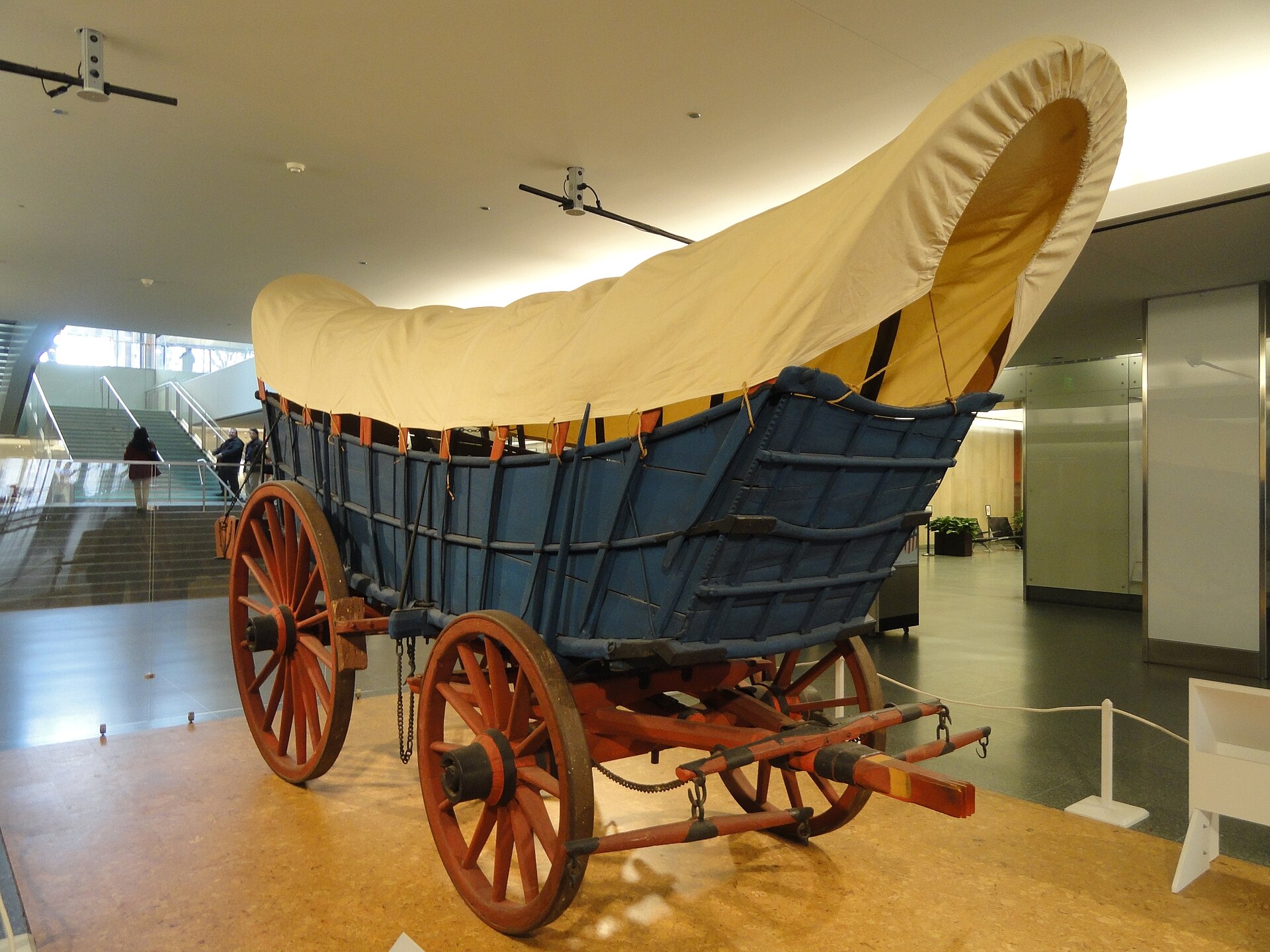
  • A restored mid-19th-century Conestoga wagon on display at the Smithsonian.

    Conestoga, c.1840–1850 · National Museum of American History
    By Daderot (Wikimedia Commons) CC0 · source

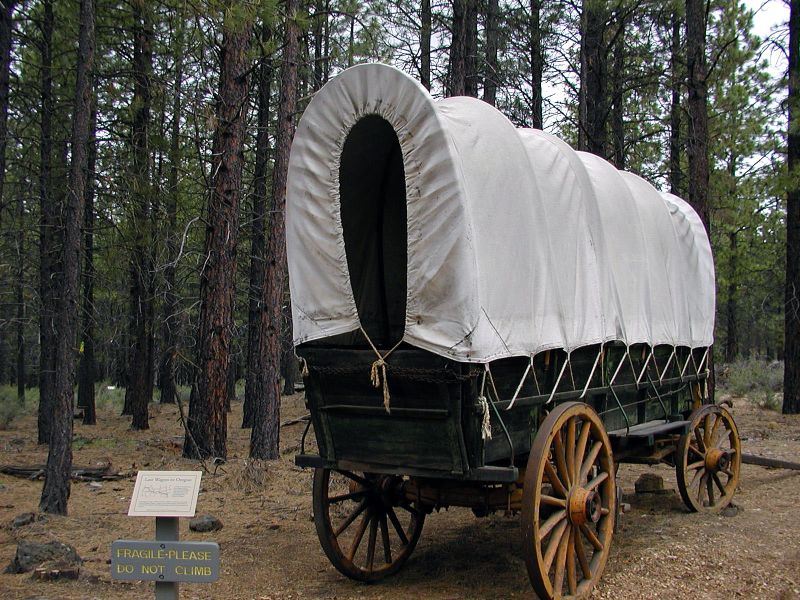
  • A covered wagon on display outdoors at the High Desert Museum.

    Covered wagon · High Desert Museum

    By B.D.'s world (Flickr) CC BY-SA 2.0 · source

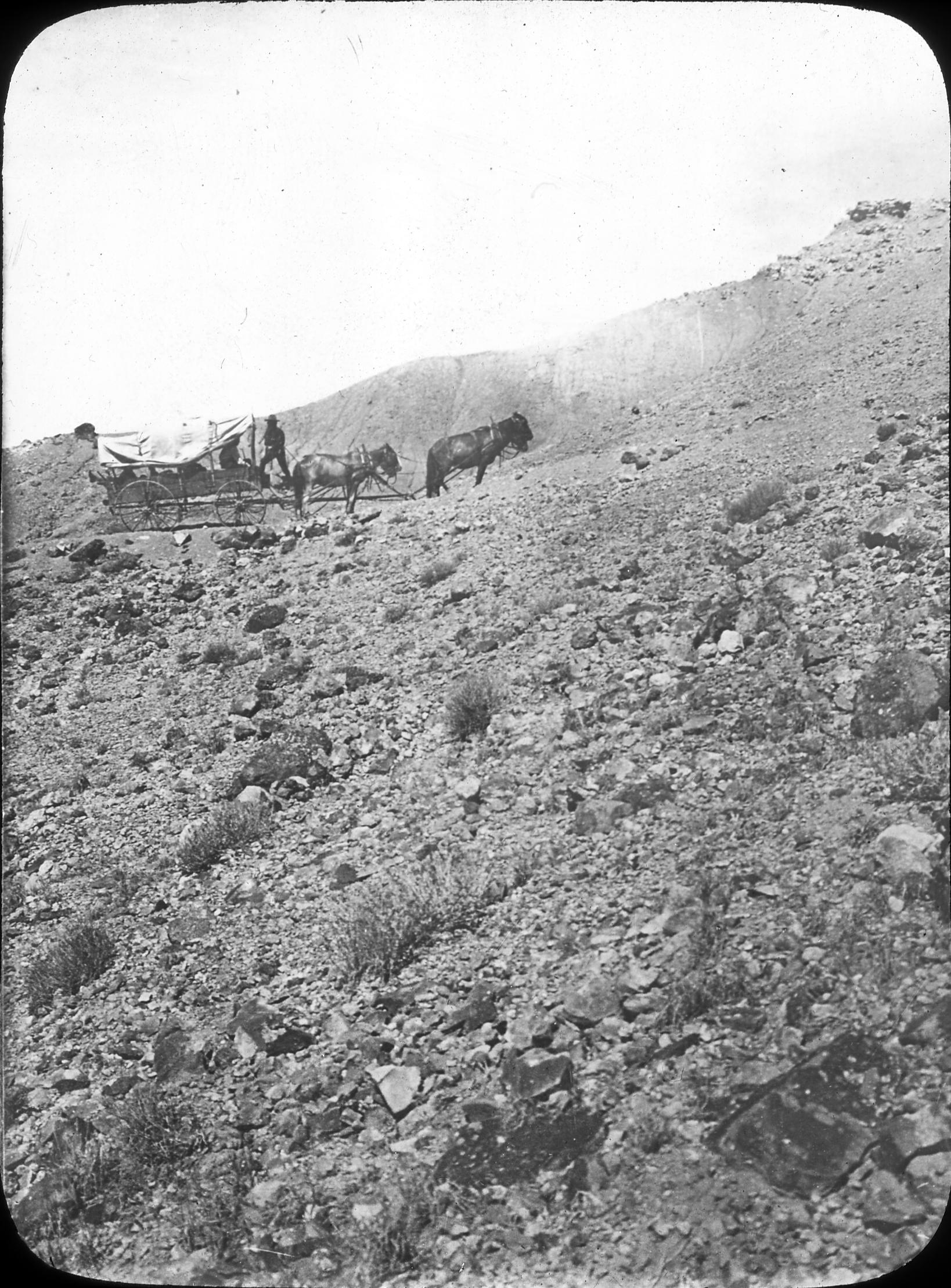
  • A prairie schooner wagon crossing rough country in an archival photograph.

    Prairie schooner · OSU Special Collections
    By OSU Special Collections & Archives, Commons No known copyright restrictions · source

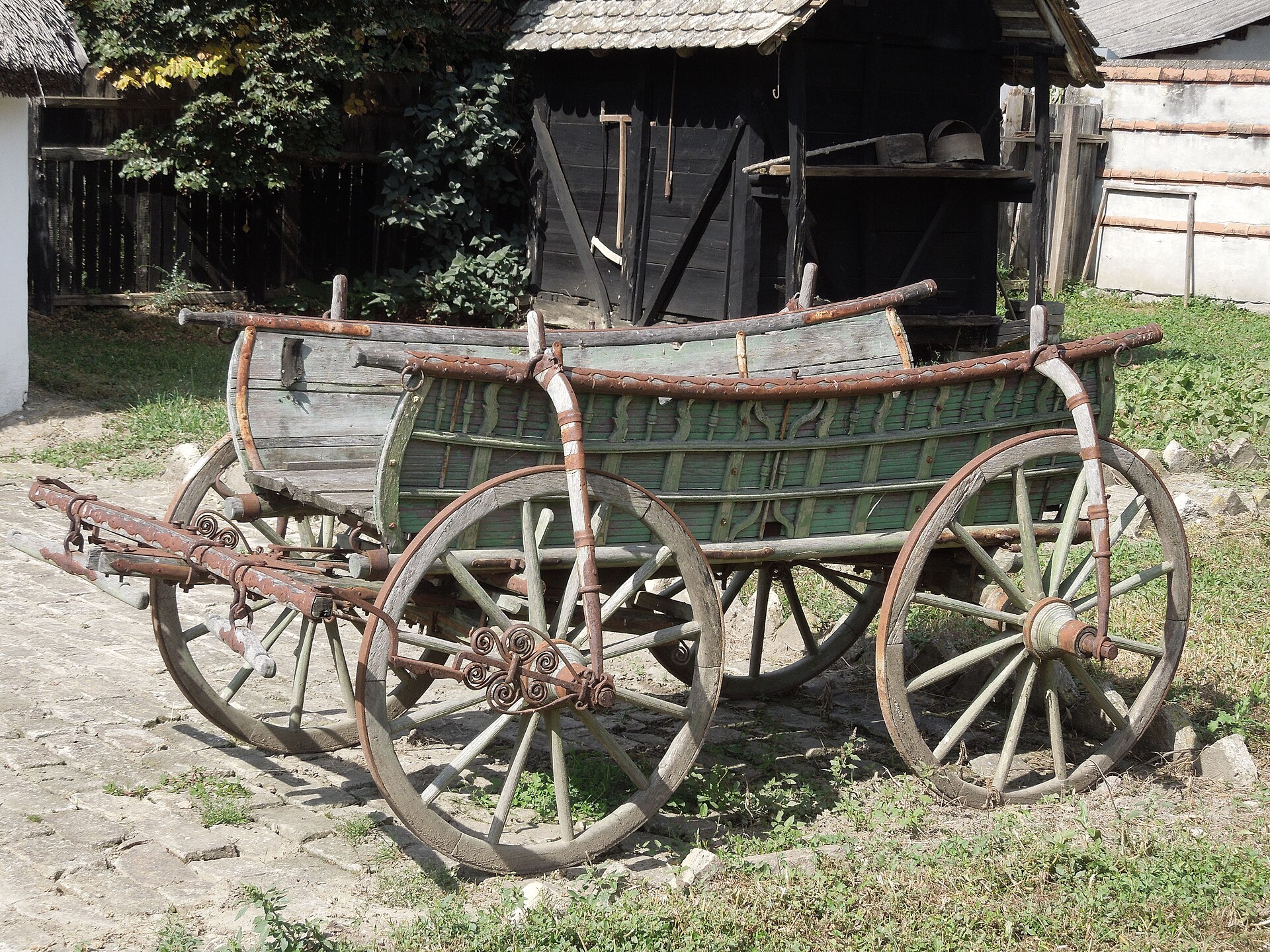
  • An old horse-drawn wagon parked outdoors in a rural setting.

    Old horse-drawn wagon

    By M Todorovic (Wikimedia Commons) CC BY-SA 4.0 · source

  • An anvil and forge in a traditional blacksmith's workshop.

    An anvil and forge · what every wagon shop has had since the 1700s
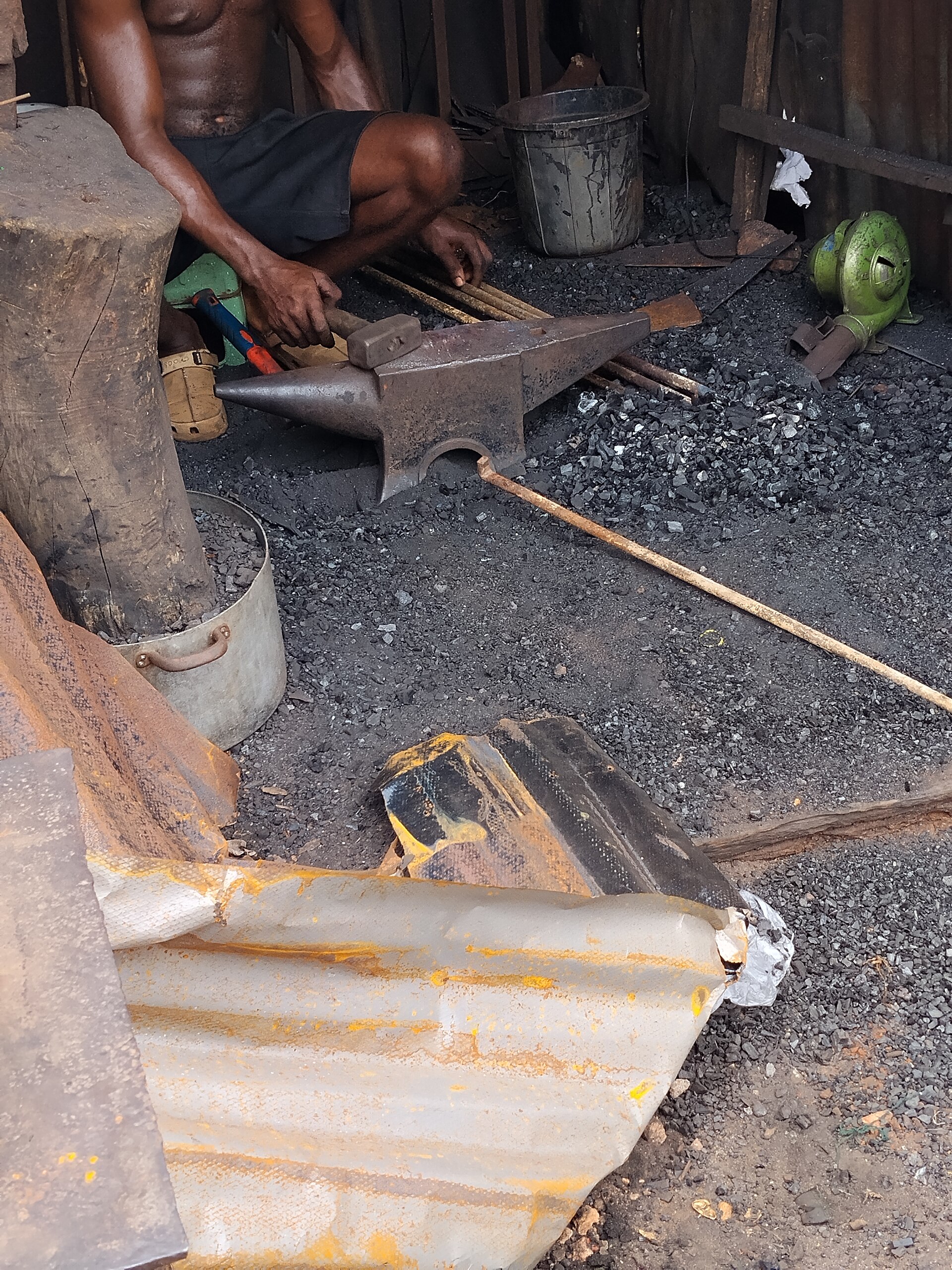
    By Jaggery (geograph.org.uk) CC BY-SA 2.0 · source

  • A blacksmith hammering hot iron on an anvil — sparks and smoke.

    Iron under the hammer — the moment a wagon tire is shaped
    By Johnnybam (Wikimedia Commons) CC BY-SA 4.0 · source

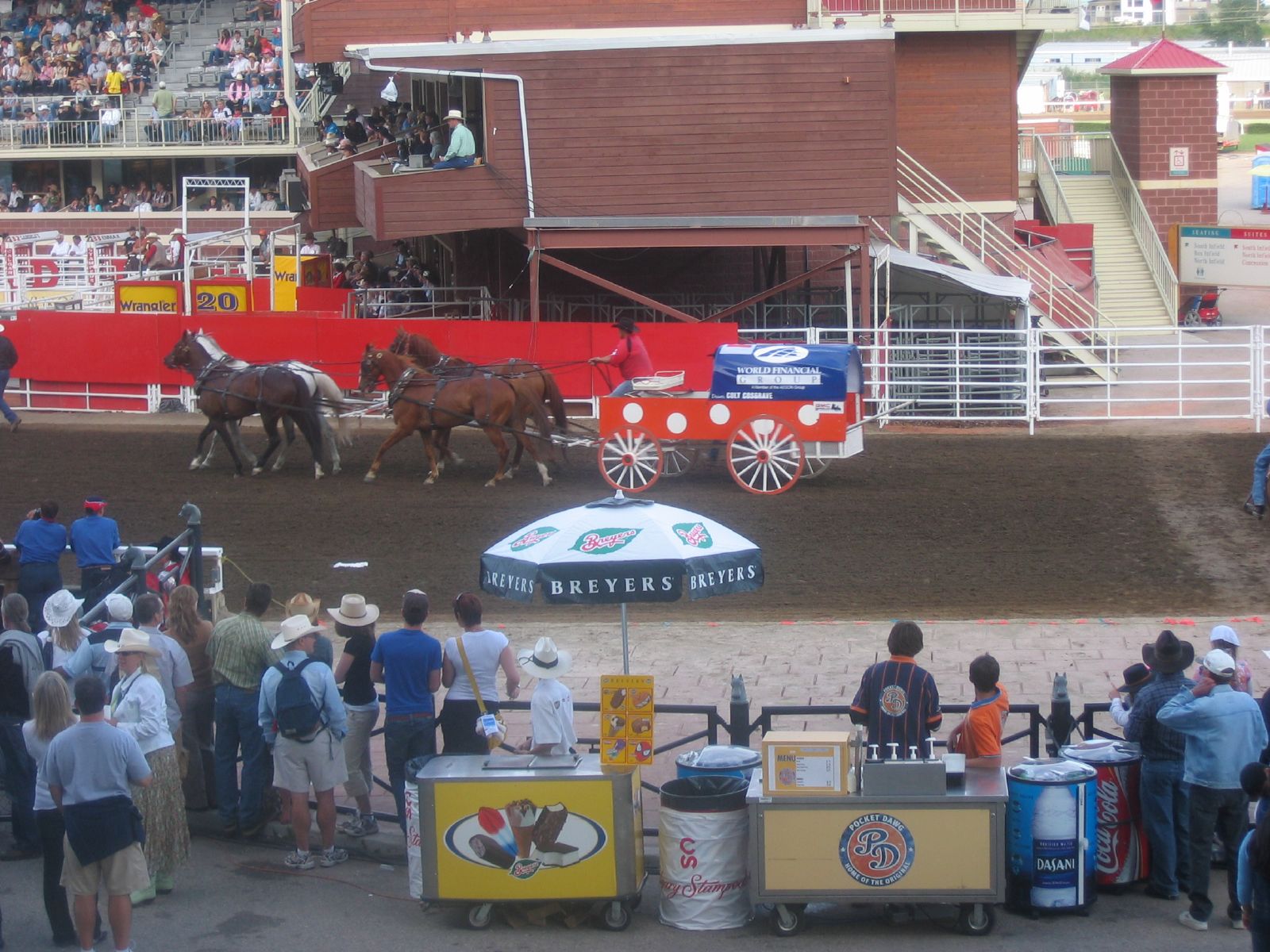
  • A traditional chuck wagon — the moving kitchen invented by Charles Goodnight in 1866.

    Chuck wagon · the form Charles Goodnight invented on the Goodnight-Loving Trail in 1866
    By John Johnston (Flickr) CC BY 2.0 · source

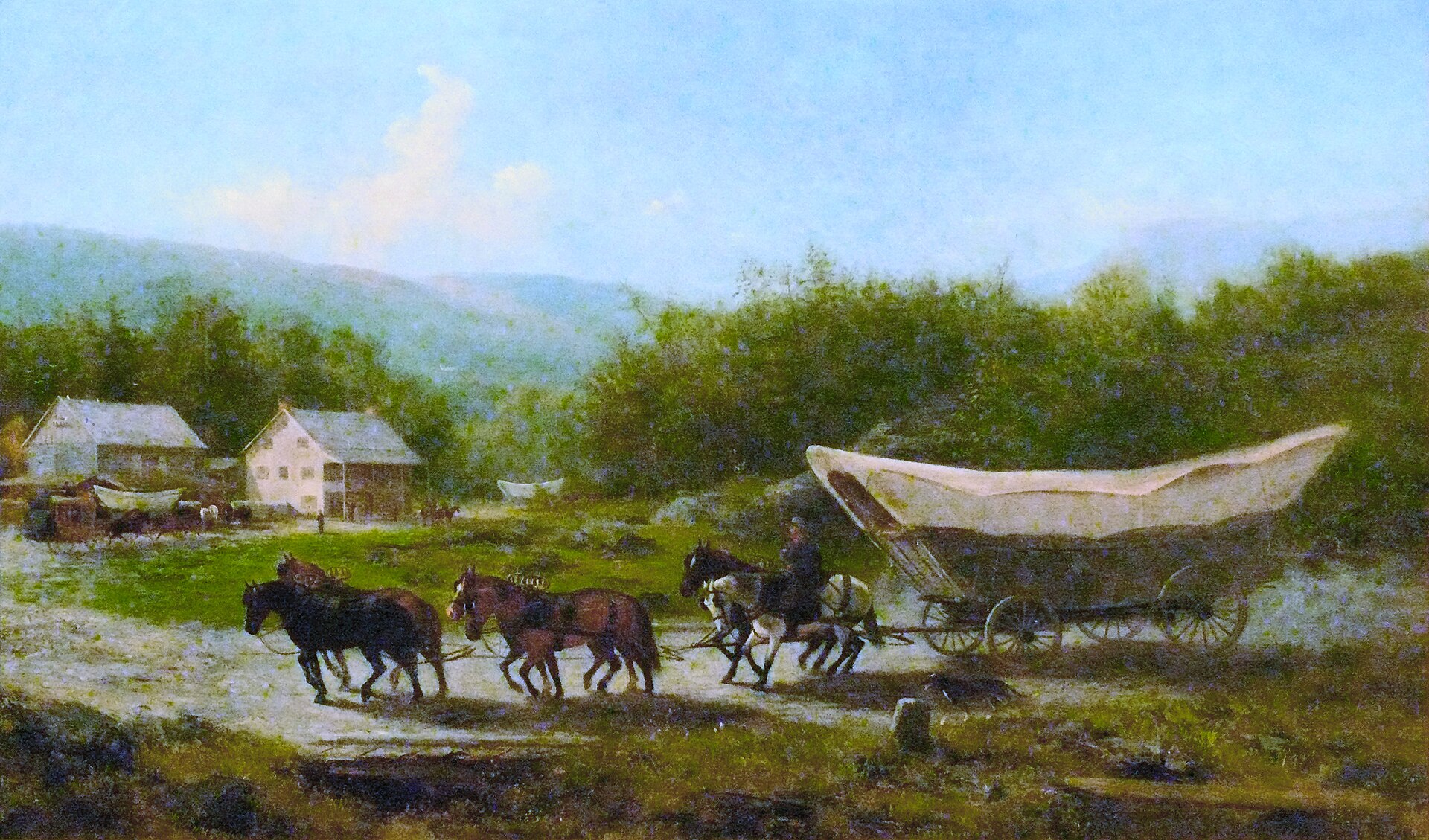
  • A painting of a Conestoga wagon from 1883 — Newbold Hough Trotter.

    Conestoga wagon, 1883 — Newbold Hough Trotter. The form is unmistakable.
    By Newbold Hough Trotter (1827–1898), photographed by Ad Meskens Public domain · source

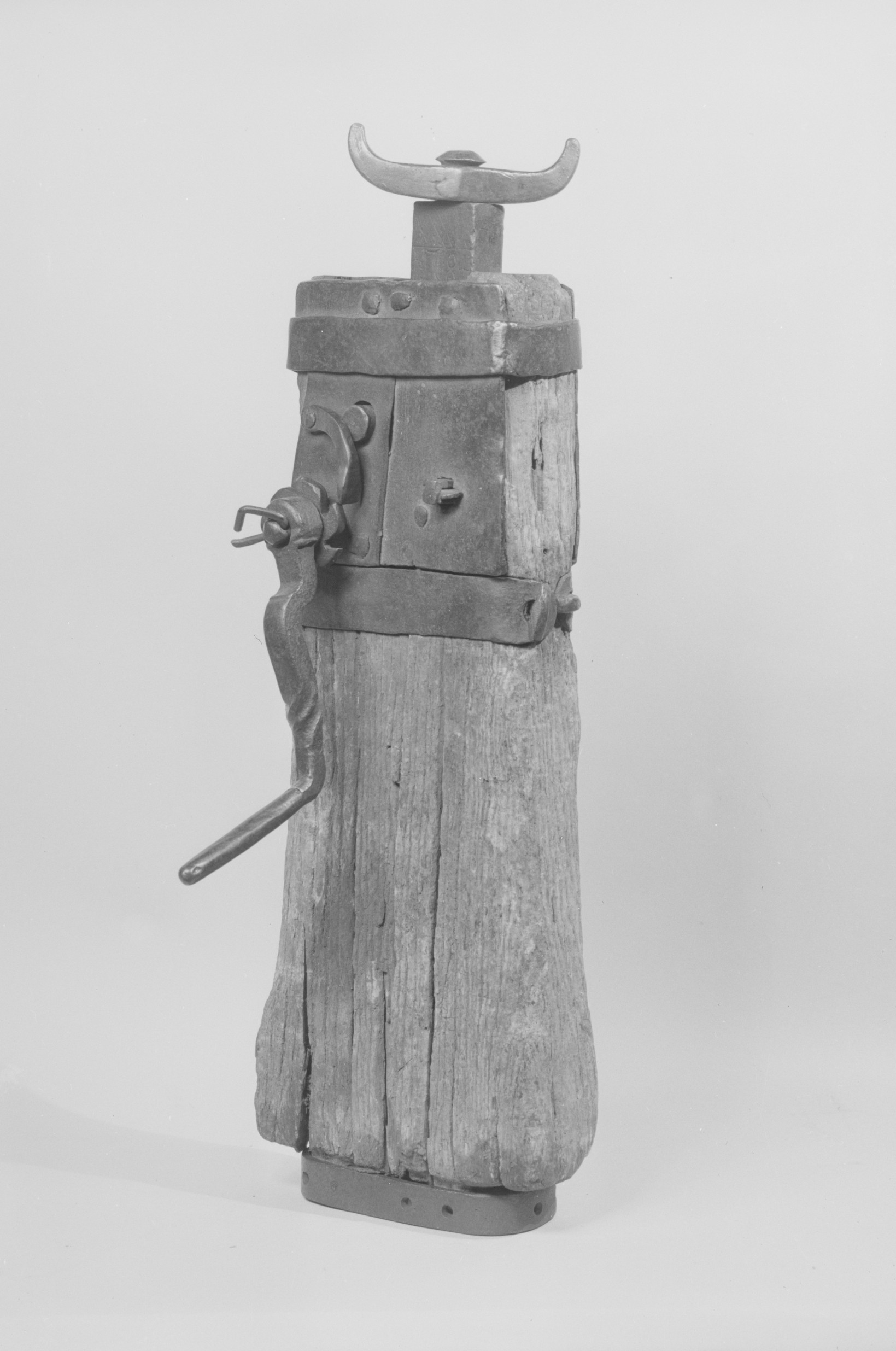
  • A 19th-century Conestoga wagon jack — the tool used to lift the wagon for wheel maintenance.

    Conestoga wagon jack, 19th century · Metropolitan Museum of Art
    By Metropolitan Museum of Art (CC0) CC0 · source

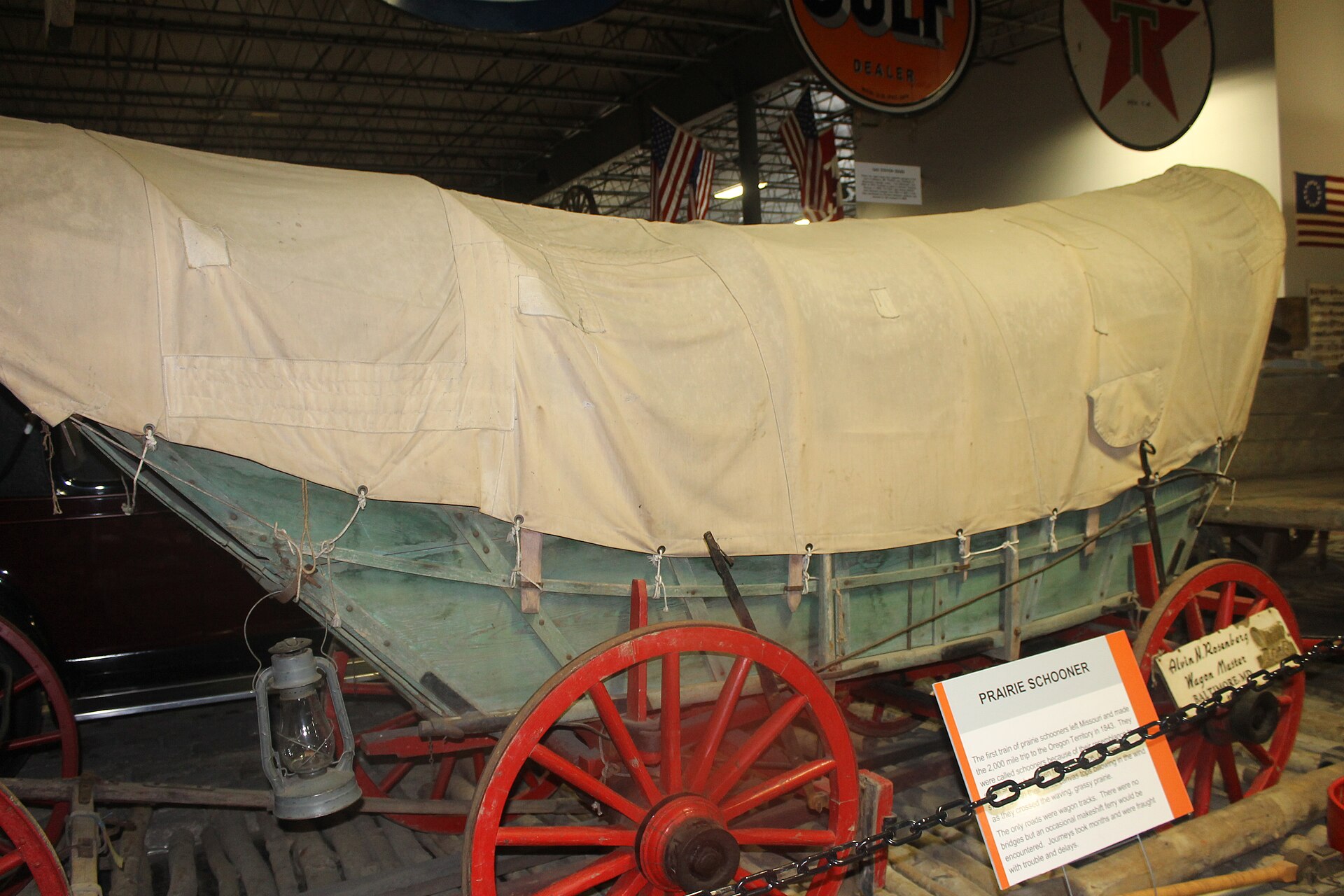
  • A restored prairie schooner wagon on display.

    Prairie schooner · restored heritage build · Bangor, ME
    By Billy Hathorn (Wikimedia Commons) CC BY-SA 3.0 · source

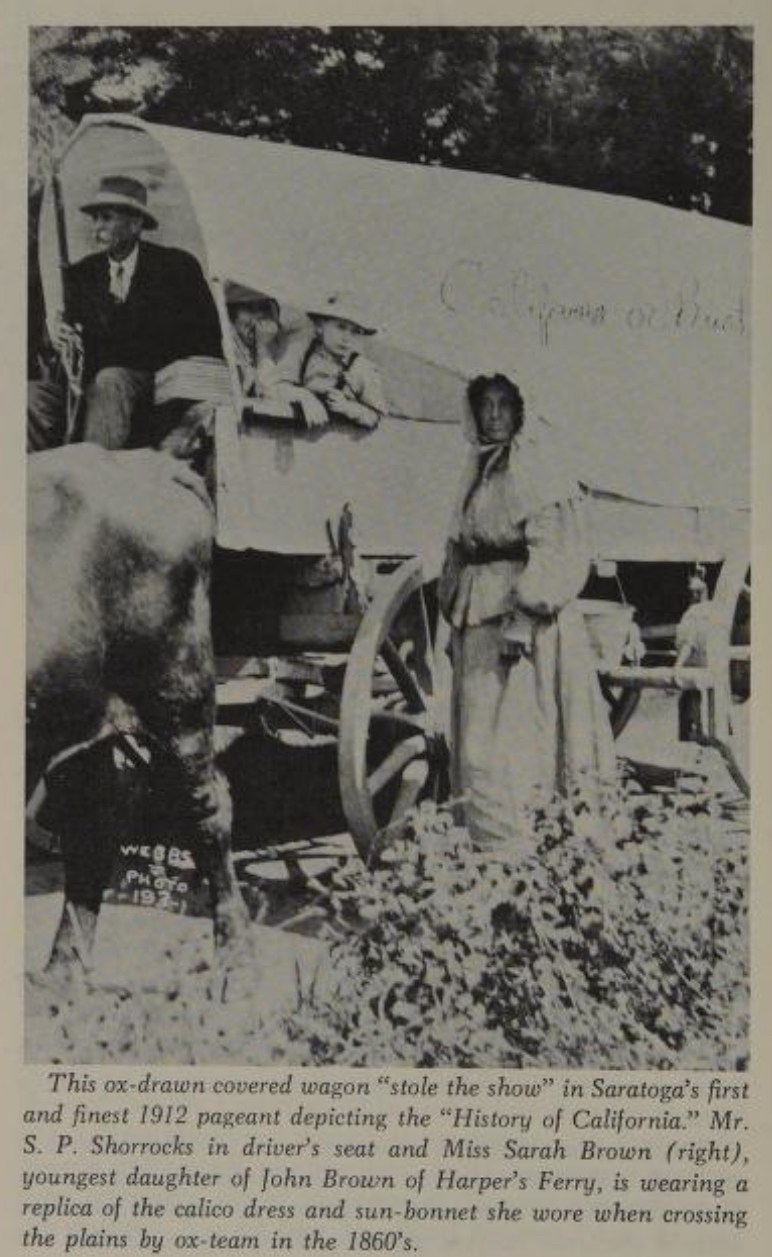
  • A replica prairie schooner photographed in context — what the wagons of the trails looked like alongside their drivers.

    Replica prairie schooner with a driver — for scale
    By Unknown / Public domain (Wikimedia Commons) Public domain · source

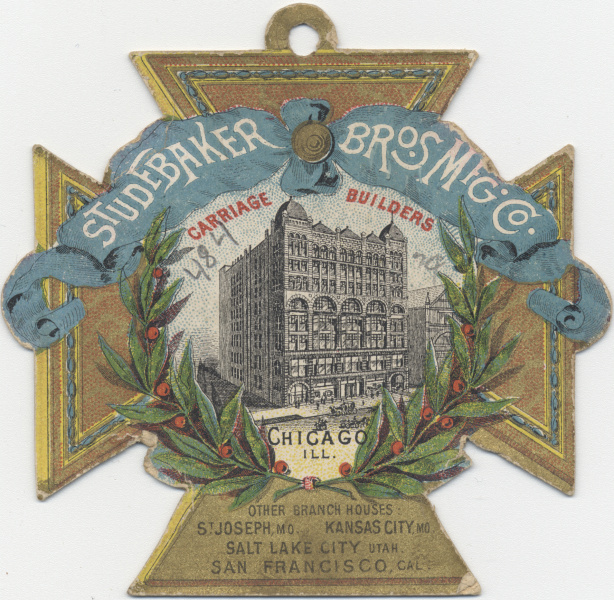
  • A vintage Studebaker Bros. Mfg. Co. advertisement / catalog image.

    Studebaker Bros. Mfg. Co. · the largest wagon manufacturer in the world c.1900
    By Miami University Libraries Digital Collections (Public domain) Public domain · source

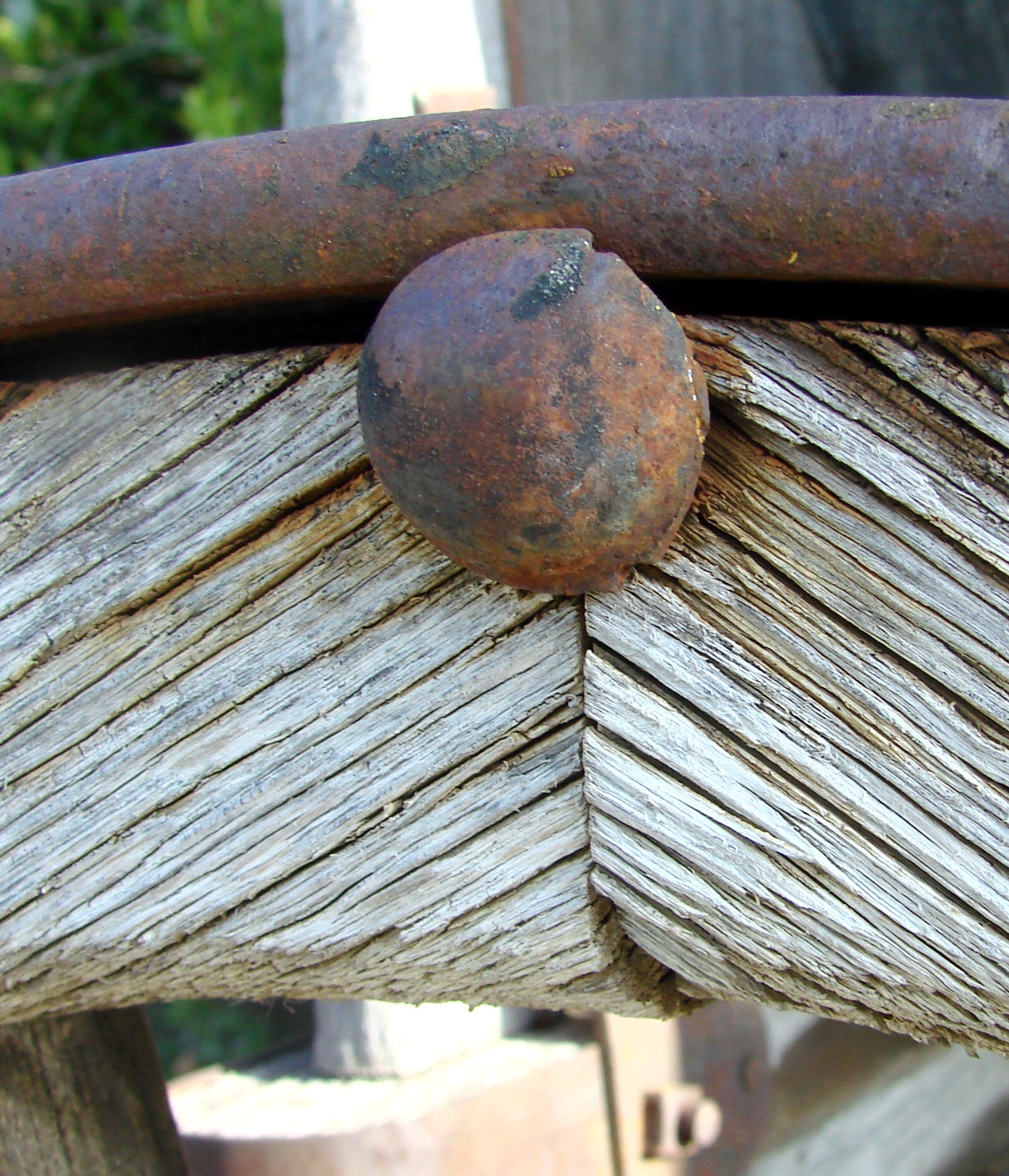
  • A close-up of a wooden wagon wheel — hub, spokes, and iron tire visible.

    Wagon wheel · hub, spokes, felloes, iron tire — all in frame

    By inkknife_2000 (Flickr) CC BY-SA 2.0 · source