
The Workshop · Apprenticeship
Apprentice with Kelly. Learn the craft.
There are fewer than a dozen working wagon-makers left in America. If you want to be one of them, the workshop in Midway is open to learn. Here's how the apprenticeship works, who it's for, and what you'll know when you're done.
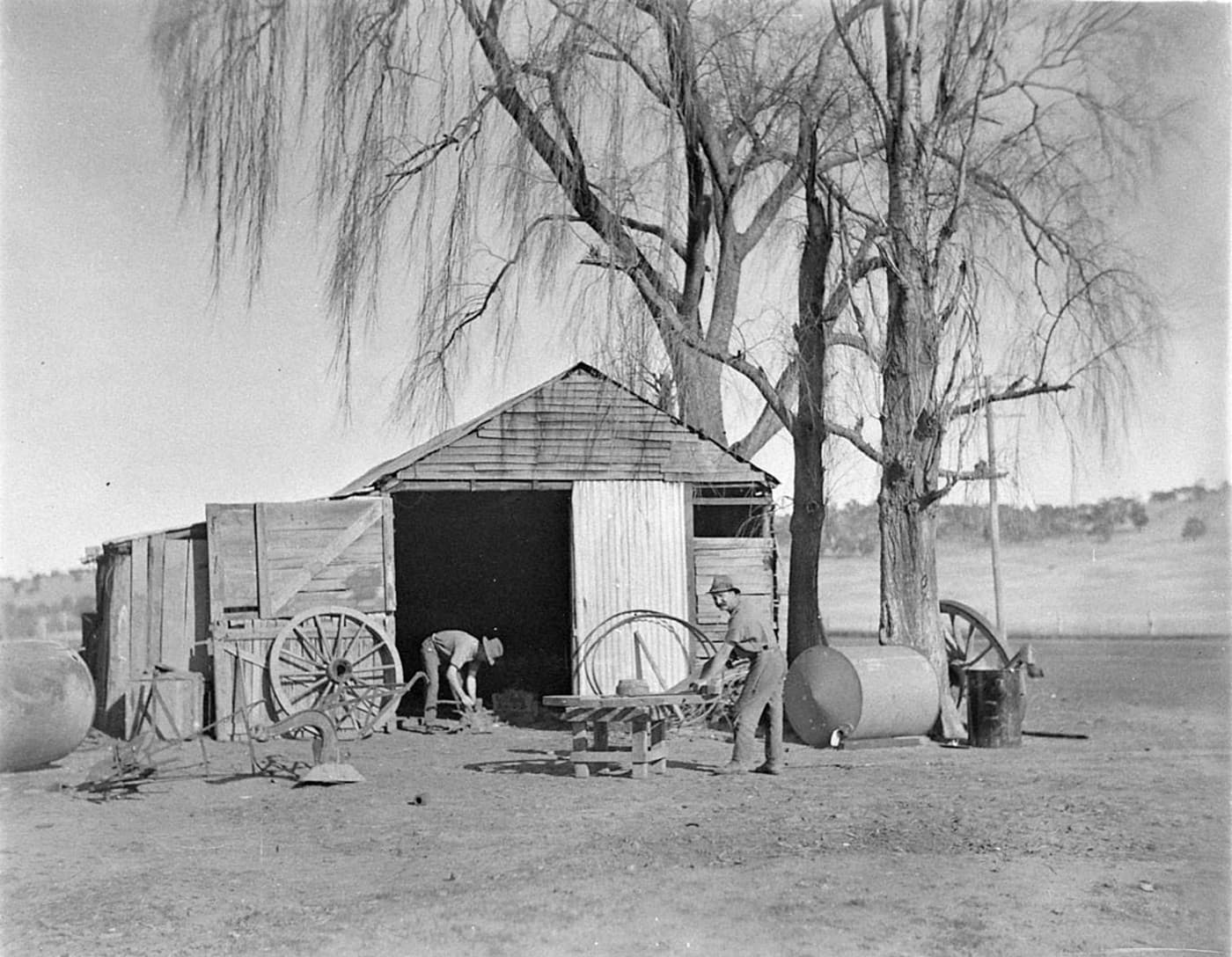
Hero photograph: Sam Hood (State Library of NSW). Public domain
A real apprenticeship, not a token.
There is a serious shortage of working wagon-makers in this country. Most of the men who can still do the whole job — frame a wagon, dish a wheel, shrink an iron tire, forge the hardware, cut the leather — are past sixty, and the line of people behind them is thin. What we are offering at the Midway shop is a twelve-month apprenticeship that puts a serious person in the middle of the four crafts and walks them through every step of building a working wagon from rough stock to road-ready. This is not a workshop weekend. It is a year of mornings and weekends — or a year of full-time bench work, if the apprentice can give it — with the goal that you come out of it competent enough to do the work on your own.
The shop is in Midway, Texas. Seven thousand two hundred and forty-two Wiseman Road. It is a working shop, not a school. You learn by being in it, on the floor, under the lights, with Kelly within arm's reach to correct your grip and show you the next move. The hours are honest. The work is heavy. The pace is the pace of a craft that has been done the same way for two hundred and fifty years.
Who this is for.
The apprenticeship is open to anyone between roughly sixteen and thirty years old. No formal training is required. You do not need a degree, a trade certificate, or a portfolio. What you need is a willingness to commit a year of your time, basic mechanical aptitude — meaning you have used hand tools before, you understand which end of a hammer is which, and you are not afraid of a forge or a band saw — and the discipline to keep showing up. Mornings and weekends is the minimum. Full-time is better.
We are looking for a particular kind of person, and we will say so honestly. We are looking for someone who is patient enough to spend three afternoons drawing out a single iron strap and willing to do it again the next week when the first one was not right. Someone who can stand the quiet of a slow trade. Someone who is interested in the work itself, not the idea of the work. If you are excited about being a wagon-maker on social media but not excited about the hours, this is not the right fit and we will figure that out fast.
It is also fine to come in without a clear sense of which of the four crafts you want to focus on. Most apprentices won't know until they have spent a few months at each bench. The first three months are designed to put you in front of all four — woodwright, blacksmith, saddler, wheelwright — so you can feel which one your hands take to. Then we lean the training in that direction without losing the other three.
What you'll learn
Twelve months, four crafts.
The apprenticeship is built around the four crafts that meet in a single wagon: woodwright, blacksmith, saddler, and wheelwright. A wagon-maker who can only do one of the four cannot finish a wagon. The point of the year is to make you competent in all four, and good enough at one to make a living at it if you choose to.
Foundations across all four crafts.
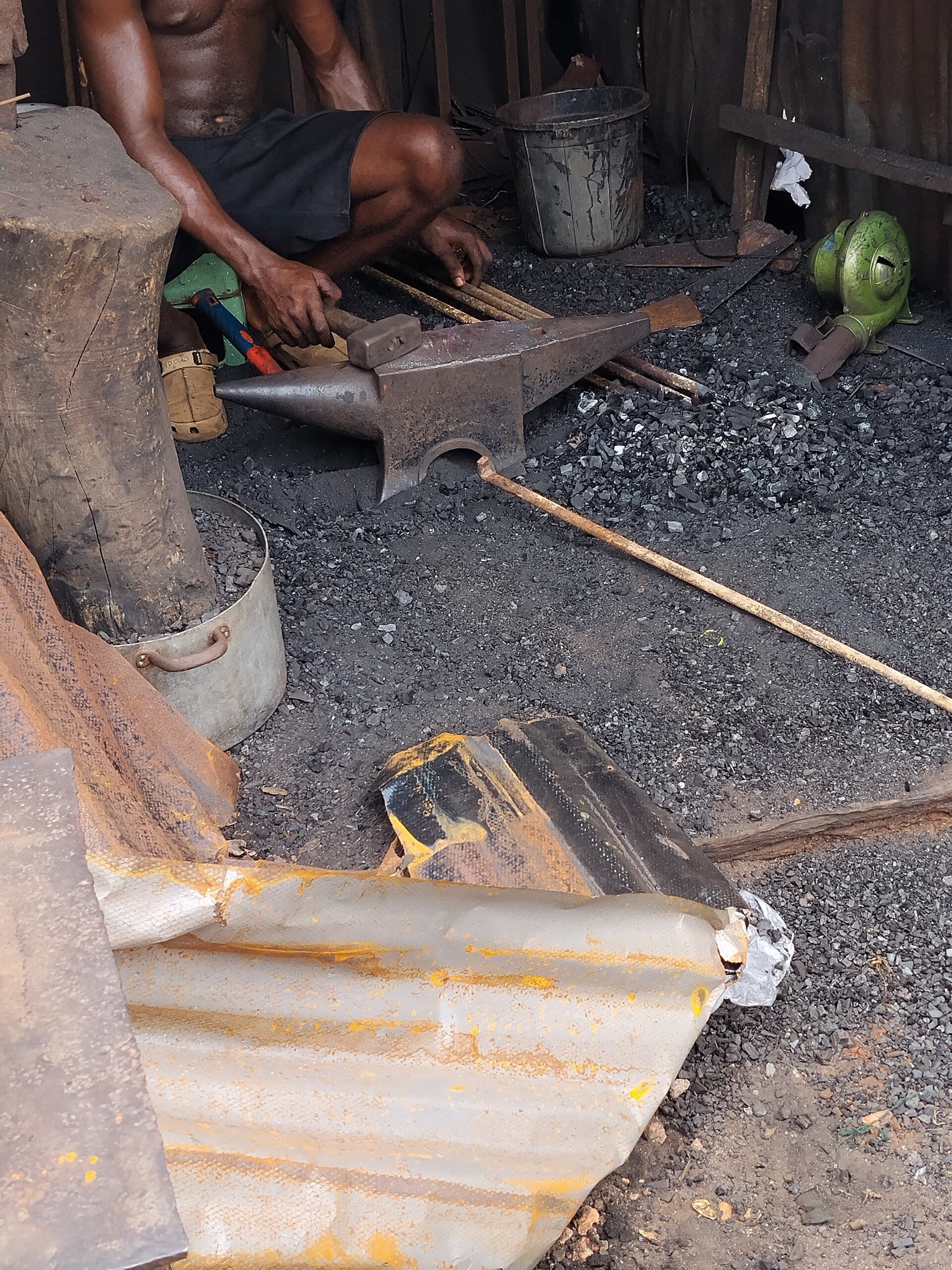
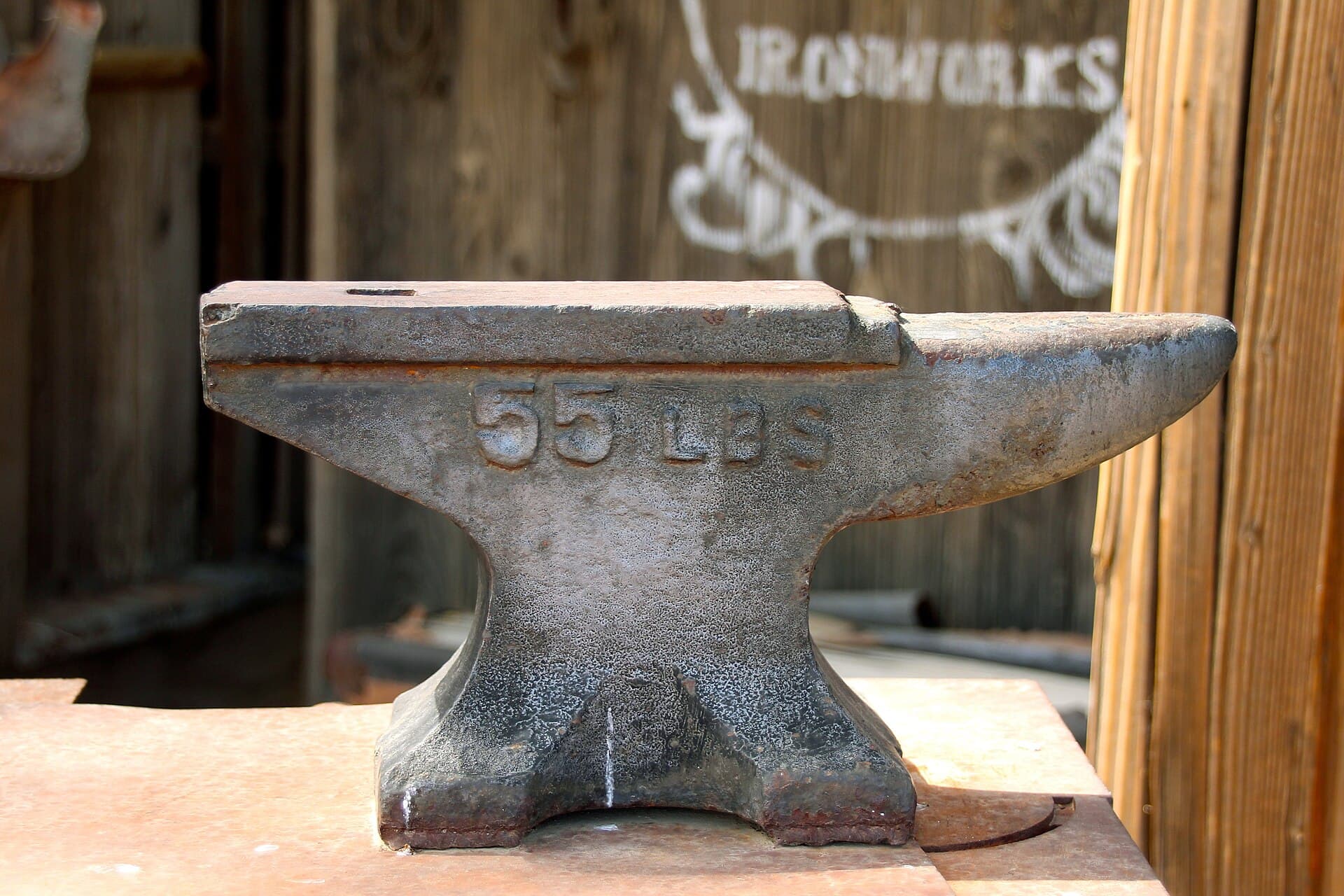
The first three months are about hands and eyes. You spend roughly three weeks at each bench — wood, iron, leather, wheels — doing the absolute basics. At the woodwright bench: squaring stock, cutting mortise and tenon, planing a board flat. At the forge: lighting and managing a coal fire, drawing out, upsetting, basic punch and drift work, the start of hammer control. At the saddler bench: cutting strap, edging, beveling, stitching a simple harness piece. At the wheelwright bench: laying out a wheel on paper, identifying the parts, watching a tire shrink-fit and learning what your role on that day looks like.
You will be slow. Everything you do in the first three months will be slow. That is the point. Speed comes after the hand knows the move. By the end of month three you should be comfortable in the shop, oriented to the tools, and starting to know which craft your hands take to.
Your first real piece of a wagon.
In months four through six you take on your first real piece of work. The exact project depends on what is on the bench that quarter, but it will be something that goes onto a wagon that is being built for a customer. A doubletree. A toolbox. A set of brake blocks. A pair of singletrees with ironwork. You do the cutting, the joinery, the forging of any hardware, and the finish. Kelly watches and corrects. If something fails inspection, you redo it. That is the rule.
By the end of month six you will have a piece of your own work on a wagon that is going out the door. You will sign it with your initials on the underside, the way the old shops did. That signature stays.
Choosing a focus.
By month seven you and Kelly sit down and pick which of the four crafts you are going to push deepest into for the rest of the year. It is your call. If your hands took to the forge, the second half of the apprenticeship leans on ironwork — making strap hinges, tugs, brake hardware, the hundred small forged pieces a wagon needs. If you are a woodwright, you will be on the bench framing wagon boxes and cutting bows. If you are a wheelwright, you start working a full wheel — laying it out, cutting felloes, fitting spokes, dishing, and being the second hand on the tire shrink.
You keep your hand in on the other three crafts. We are not training a specialist. We are training a wagon-maker. The focus during this phase is just where you spend the additional hours.
Building your own wheel.
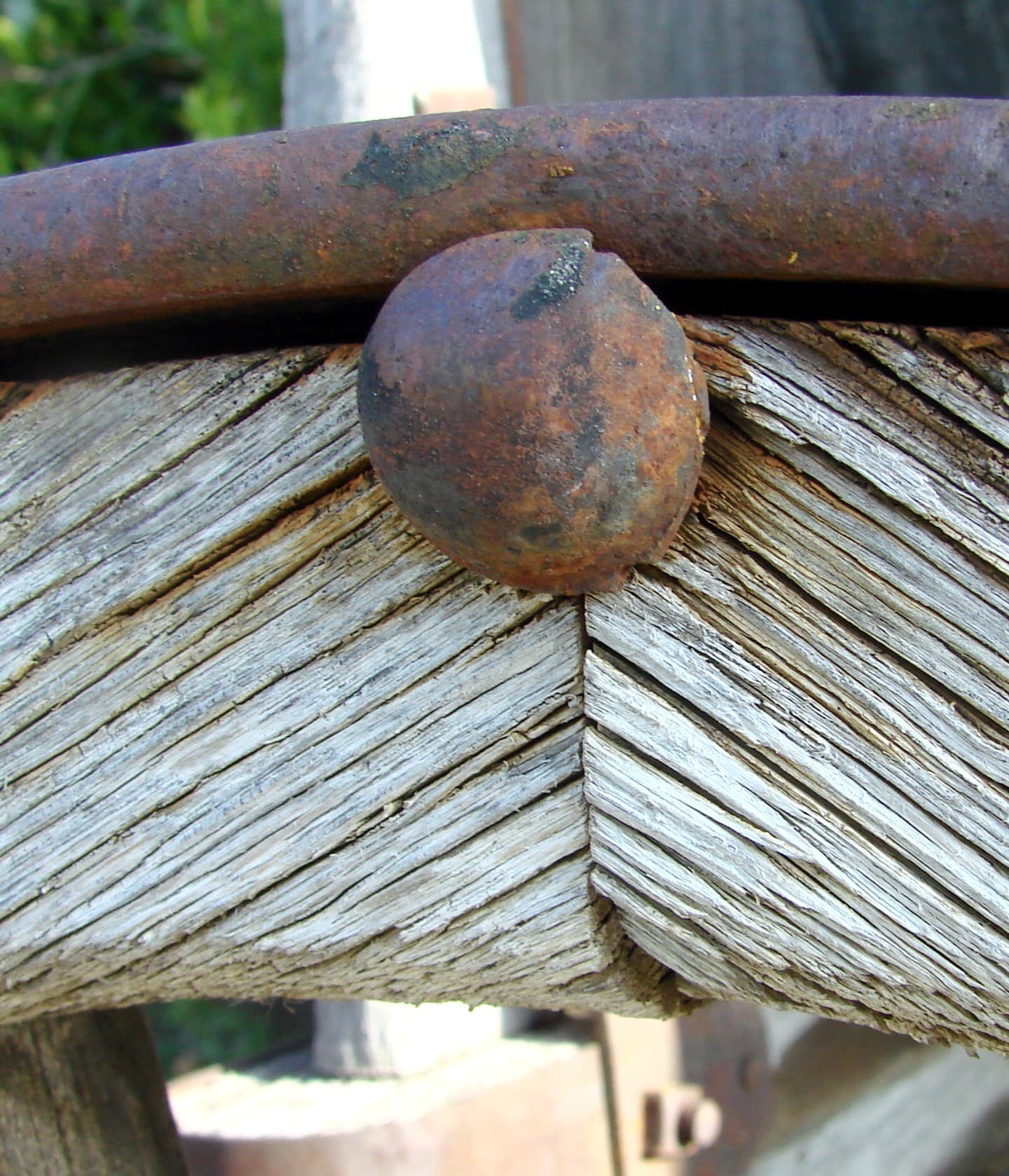
The last quarter of the year is the capstone. You build a full wheel — your wheel, with your hands, start to finish, with Kelly watching but not touching. Laying out the hub. Cutting the mortises. Turning and seating the spokes. Cutting the felloes from oak stock and joining them. Forging the iron tire. Lighting the tire fire in the yard, shrinking it on, and quenching it down. That wheel is yours. You take it home. It is the proof of the year.
If the year goes the way we want it to, you also finish month twelve with the working knowledge to start your own shop, or to take a bench at one of the few other shops still doing this work in the country. We will help with introductions either way. The trade is small enough that most of the working wagon-makers in America know each other, and a recommendation from this shop is worth something.
How the apprenticeship is structured.
There are two ways into the program. The first is a full-time apprenticeship — five days a week, real shop hours — and that comes with a modest paid stipend. The stipend is not what you would make in a regular job. It is enough to live on if you are careful, and it is offered so that someone with no other income can afford to take the year. The shop covers all materials, all tool use, all consumables. You do not pay for wood, iron, leather, coal, or anything else you touch over the year. That is on us.
The second way in is weekend-and-evening apprenticeship — Saturdays and one or two weeknight evenings — for someone who has another job and cannot commit full-time. The weekend track is unpaid. The shop still covers materials and tools. The curriculum is the same but stretched a little — the weekend apprentice typically takes fourteen to sixteen months to cover what a full-time apprentice covers in twelve. Either way works. The work itself is the same.
We are committed to placing one full-time apprentice at a time. The shop is not big enough for two. If we get more applicants than spots, which we expect, the weekend track becomes the way in for the rest, and we will be honest with people about the wait.
How to apply.
Call Kelly. That is step one and it is the only formal step we ask for. The phone number is at the bottom of this page. The first conversation is just to talk — about you, about the work, about whether the schedule and the location work for both of us. That conversation is usually thirty to forty minutes. We are not trying to filter people out on the phone. We are trying to make sure the basics line up before you drive to Midway.
If the phone call goes well, the second step is a half-day in the shop. You drive out to Midway, you spend four or five hours at the bench with Kelly, you do a couple of small tasks under direction, and you eat lunch with whoever is around. The half-day is the actual interview. It is not a test. It is a chance for both sides to see if the work fits the person. By the end of the half-day, both of you should have a clear sense of whether the apprenticeship is going to work or not.
We are looking for the first apprentice. We have not trained anyone yet. That means whoever takes the first spot is helping us shape the program as much as we are training them. We will be honest about that as it comes up. If you are the first apprentice, you should expect to be part of figuring out the curriculum with us, in the doing of it.
The bigger picture.
There are reasons to do this beyond paid work. The wagon-making trade is one of the last living craft transfers in America. It is not in books. It is not in YouTube videos. It is not in a community college curriculum. The only way it gets passed is hand to hand, in a shop, with one person showing another. When the last generation of working wheelwrights retires, if there is nobody behind them, the trade is gone in any practical sense — recoverable in theory from old shop manuals, but lost in the only way that matters, which is in the hands of living people who can do it.
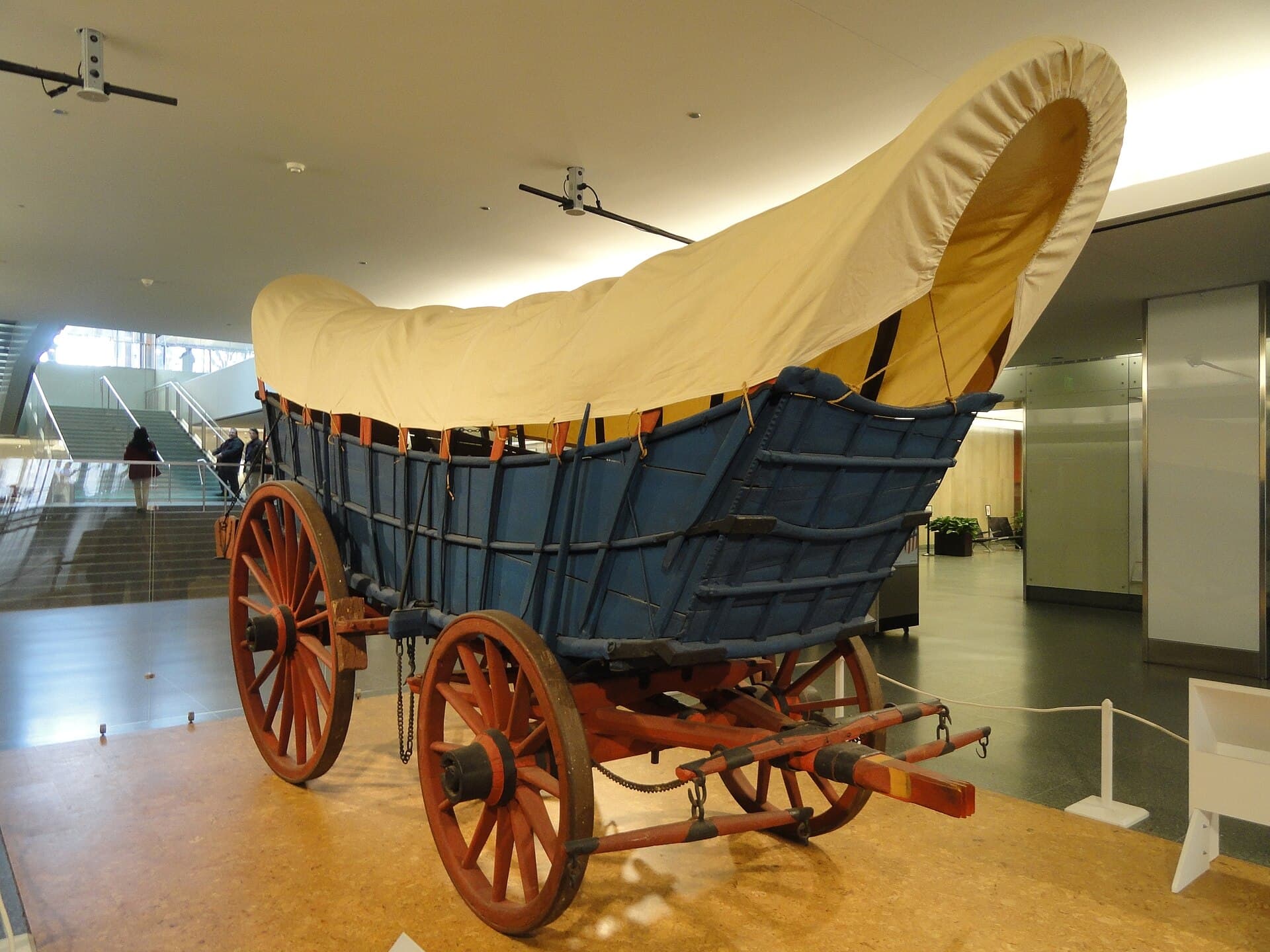
We do not want to be dramatic about this. Lots of trades have come and gone. But wagon-making is one of the smaller ones left, and it is one of the ones that connects directly to a piece of American history that mattered. The wagons built this country. The shops that built the wagons were on every county courthouse square from Pennsylvania to Oregon. Now there are maybe a dozen working shops left. The math gets worse every year. An apprenticeship is the only thing that bends the math the other way.
The other reason is closer to the ground. Healin' Wheels builds heritage wagons with accessibility built into the frame — wagons that carry riders who would otherwise be told they cannot come. That work is going to outlive any one builder. An apprentice who learns the craft here learns it with the accessibility piece built in from day one. That is part of what we want to pass along.
The Workshop
If the trade is something you want to learn, call.
The first apprentice spot is open. The shop is in Midway, Texas, and the door is unlocked. If you have read this far and the work still sounds like work you want to do, the next step is a phone call. Bring questions. We will answer them honestly.