
Texas · The Trail Rides
The Houston Rodeo Trail Rides. A guide to the thirteen routes.
Each February, thirteen separate trail rides converge on Memorial Park in Houston, bringing thousands of riders and dozens of wagons into the Rodeo through the streets of the city. Here is the history of each one, what to expect if you join, and how Healin' Wheels fits in.
Hero photograph: Cullen328 (Wikimedia Commons). CC BY-SA 4.0
The Salt Grass Trail Ride.
The whole thing started as a publicity stunt. In late 1951, with the Houston Fat Stock Show planning its big centennial push for the spring of 1952, four men from Brenham — Reese Lockett, Pat Flaherty, Emil Marks, and John Warnasch — got it in their heads that the best way to drum up attention for the show was to ride horseback from Brenham into Houston the way their grandfathers might have. They left Washington County in February of 1952 with a handful of riders and one wagon. They rode about seventy miles over four days, slept on the ground, ate out of a Dutch oven, and rode into Houston to find a parade route waiting for them.
It worked. By 1953 the ride had grown to dozens of riders. By 1955 it was in the hundreds. The Salt Grass Trail Ride — named for the coarse coastal grass the early Texas cattle ate on the drives down to Brazoria — became the original, the template, and the model that every other Houston-area trail ride was built on. It still leaves from Brenham. It still rolls in over four days. It is now somewhere north of a thousand riders strong in a good year, with dozens of wagons in the column behind the trail boss, and it pulls into Memorial Park on the last Friday of February with every other ride doing the same.
Why Salt Grass mattered.
The four founders were not historical re-enactors. They were working ranchers and cattlemen who happened to think the Fat Stock Show — which had been running since 1932, on and off — was quietly losing the working-cowman piece of its identity. The ride was a way of pulling it back. They paid for their own gear. They lined up their own route through Washington and Waller and Harris Counties. They knocked on farmhouse doors along the way and asked if a hundred riders could bed down in a pasture for the night. Word got out. People started showing up at the roadside with sandwiches and coffee.
By the late nineteen-fifties the Salt Grass had grown so much that the Show formally adopted it as the kickoff event for the Rodeo. Other rides started forming, modeled on Salt Grass, out of other corners of southeast Texas — first one, then two, then eventually the full thirteen that ride today. The Salt Grass set the pattern that all of them still follow: a route of three to twenty days, camp every night, a chuck wagon working the camp meals, and a final ride into Memorial Park on the last Friday of February for the Saturday morning parade through downtown.
The Other Twelve Rides
Twelve more rides, twelve more histories.
After Salt Grass, the rides came in waves. Some were spun off by riders who could not make the Brenham route work for distance or scheduling. Some were organized out of communities that wanted a ride of their own, with their own colors and their own trail boss. By the late nineteen-eighties the count had settled at thirteen, and that is where it stands today. Here is each of the other twelve, in roughly the order they were founded.
Northeastern Trail Ride.
The Northeastern Trail Ride formed in 1957, only five years after Salt Grass, out of the piney woods country northeast of Houston. Its route comes down through Liberty and San Jacinto Counties, working its way south through the Big Thicket margin country and into Harris County over the course of about a week. The Northeastern has a reputation as one of the more family-oriented rides — heavy on multi-generation families riding together, lots of kids on ponies, and a long string of wagons that runs deep in the column.
Prairie View Trail Ride.
The Prairie View Trail Ride was founded in 1957 by a group of Black cowmen out of Prairie View, Texas — home of Prairie View A&M University and the historical center of African-American ranching culture in this part of the state. It was the first Black trail ride to roll into the Houston Rodeo. The route runs out of Waller County, down through Hempstead and Hockley and into Houston, and the ride has stayed organized around the community that founded it. Prairie View carries deep traditions — its own colors, its own brass band that meets the riders at the city line, and a Saturday-night dance that has been running since the late nineteen-sixties. It is one of the most important rides in the whole organization and a piece of Texas history that does not get enough national press.
Old Spanish Trail Ride. And Mission Trail Ride.
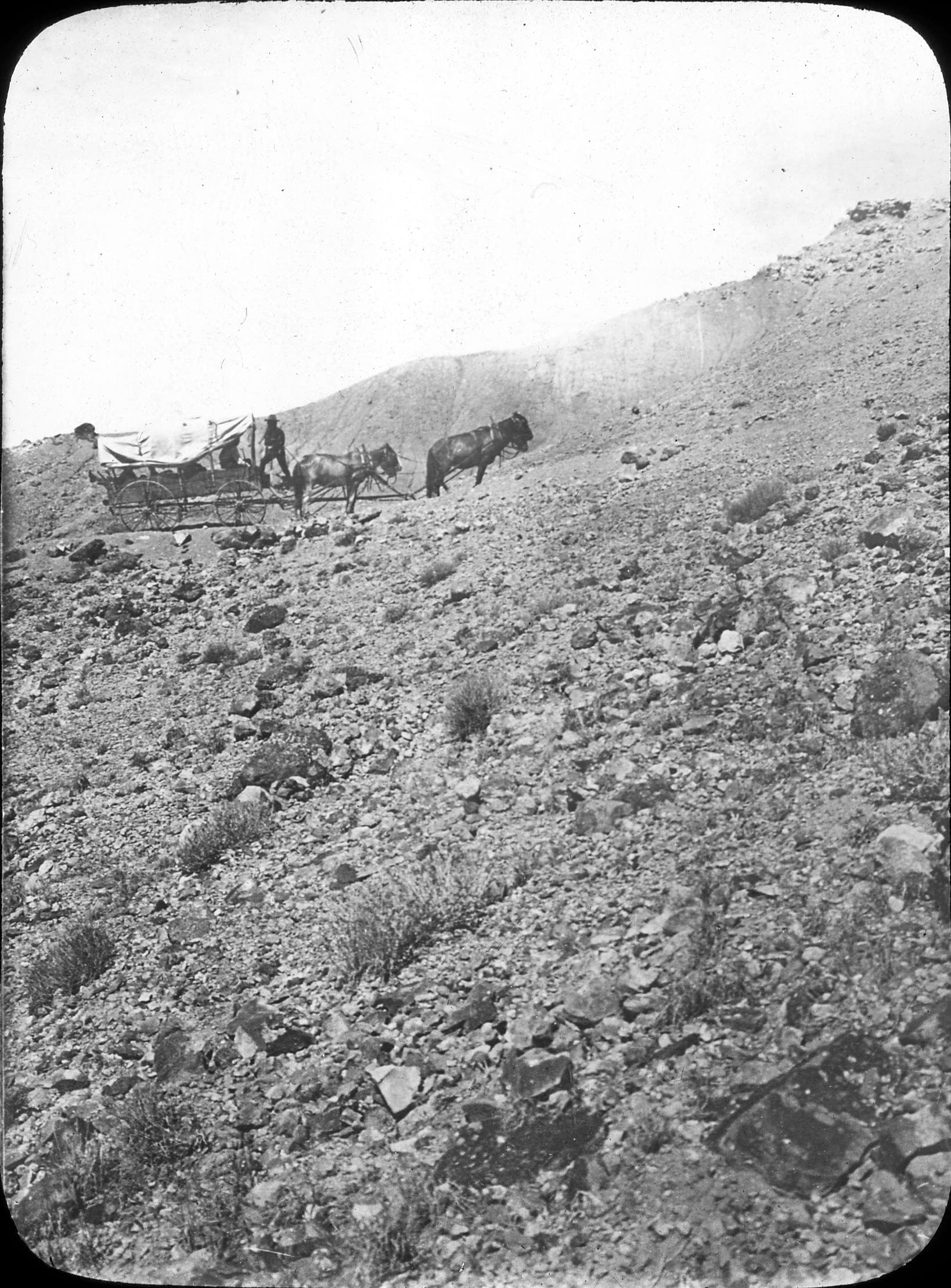
The Old Spanish Trail Ride was founded in 1959 by a group of South Texas cowmen who wanted to ride up out of the Rio Grande Valley country to Houston. The route starts in Hidalgo County and rolls north through Brooks, Jim Wells, and Bee Counties before turning east toward Houston. It is one of the longer rides on the calendar — somewhere between two and three weeks depending on the year — and it carries a strong South Texas flavor, with a high percentage of Tejano riders and a chuck wagon menu that leans on cabrito and frijoles charros instead of the more Anglo-Texan stew-and-cornbread tradition of the Brenham rides.
The Mission Trail Ride, founded in 1960, runs out of the Mission, Texas area down in the Valley as well — overlapping Old Spanish in geography but with its own membership and its own route. The two rides have a friendly rivalry that goes back decades. Mission tends to push harder, ride a tighter daily mileage, and arrive at Memorial Park looking like they have been on the road. Which they have.
Texas Independence Trail Ride.
The Texas Independence Trail Ride was founded in 1962 out of Brazoria County — country that sits on the original San Jacinto campaign ground and that the ride takes its name from. The route winds up out of Brazoria through Fort Bend and into Harris County over the course of about a week, passing close to a number of original Stephen F. Austin colony sites. The ride is one of the heaviest in wagon participation, partly because Brazoria County still has a lot of working farm families and old wagon stock in family barns, and partly because the ride has always made a point of welcoming wagon owners and giving them a good spot in the column.
Valley Lodge Trail Ride.
The Valley Lodge Trail Ride, also founded in 1962, formed around the Valley Lodge community in Brookshire, Texas — west of Houston in Waller County. Its route is one of the shorter ones, running about four days, but its membership is tight and its camp culture has a strong identity. Valley Lodge is known for an especially good Wednesday-night chuck wagon supper that the ride opens to the public and that draws a few hundred people from the surrounding county.
Old Spanish Saddle Tramps.
The Old Spanish Saddle Tramps formed in 1962 as an offshoot of the Old Spanish Trail Ride — a smaller, lighter group of riders who wanted to ride a shorter version of the same route. The Saddle Tramps run a tighter column, fewer wagons, and a faster daily pace. They are one of the smaller rides in the organization but one of the most consistent — they have shown up every year since founding without missing.
Sam Houston Trail Ride. And Spanish Trail Ride.
Two rides formed in 1969, both named for pieces of Texas history. The Sam Houston Trail Ride rolls out of Montgomery County — Sam Houston's own old country — and comes down through the piney woods into Harris County. It is a roughly week-long ride, mid-sized, and it carries a strong Montgomery County identity. The ride takes deliberate care to pass close to the Sam Houston statue in Huntsville on its way south and the riders salute as they go by.
The Spanish Trail Ride, also founded in 1969, is separate from Old Spanish despite the name. It rolls out of South Texas as well but follows a different route — more easterly, closer to the coast — and has its own membership and trail boss. The two rides do not overlap on the calendar and tend to ride parallel without crossing paths until they hit the Memorial Park rally point on the last Friday of February.
Los Vaqueros Rio Grande Trail Ride.
Los Vaqueros is the longest of the thirteen rides — twenty-two days from Hidalgo County, on the Rio Grande, all the way up to Houston. It was founded in 1973 by a group of South Texas ranchers who wanted to make the full ride from the river to the Rodeo on horseback the way the old vaqueros would have. The route runs north out of the Valley through Brooks and Live Oak Counties, swings east through Karnes and Goliad — passing the old mission and presidio sites — and works its way up through Wharton and Fort Bend and into Memorial Park.
The ride is bilingual end to end. The trail bosses give directions in Spanish and English. The chuck wagon cooks Tex-Mex trail food — barbacoa, frijoles charros, fideo, flour tortillas pressed and cooked at camp every morning. Los Vaqueros is the ride that carries the deepest piece of the actual vaquero tradition that Texas ranching grew out of, and the riders take that seriously. It is also one of the toughest rides on the calendar simply because of the distance and the time. Twenty-two days on horseback is a lot. By the time they roll into Houston, the horses are lean and the riders look like they have been somewhere.
Spirit of Texas Trail Ride. And Southwest Trail Ride.
The Spirit of Texas Trail Ride was founded in 1989 as an inclusive ride deliberately organized to welcome riders from any background, any tradition, and any part of the state. It rolls out of Walker County and comes down through Grimes and Montgomery into Harris County over about a week. The ride has a strong identity around its inclusiveness — it is one of the more diverse rides in the organization in terms of rider demographics, and it makes a point of recruiting first-time riders and giving them a section of the column where the more experienced riders look after them.
The Southwest Trail Ride is the youngest of the thirteen, formed in the nineteen-nineties out of the southwest Houston area. It is a shorter ride — about four days — and runs out of Wharton and Fort Bend County country into Memorial Park. The Southwest has built up a tight membership and is one of the rides that pulls a lot of first-time wagon owners, partly because the shorter distance is friendlier to a wagon team that is still learning the road.
Memorial Park
How the rides converge.
Every one of the thirteen rides ends in the same place on the same day. On the last Friday afternoon of February, the trail rides stream into Memorial Park in central Houston — riding in from the east, west, north, south, and southwest along different surface routes that the city of Houston works with the Rodeo to keep clear. By dusk on Friday the park is full of horses, wagons, tents, chuck fires, and somewhere around three thousand riders. Memorial Park for that one weekend a year is the largest temporary cow camp in the United States.
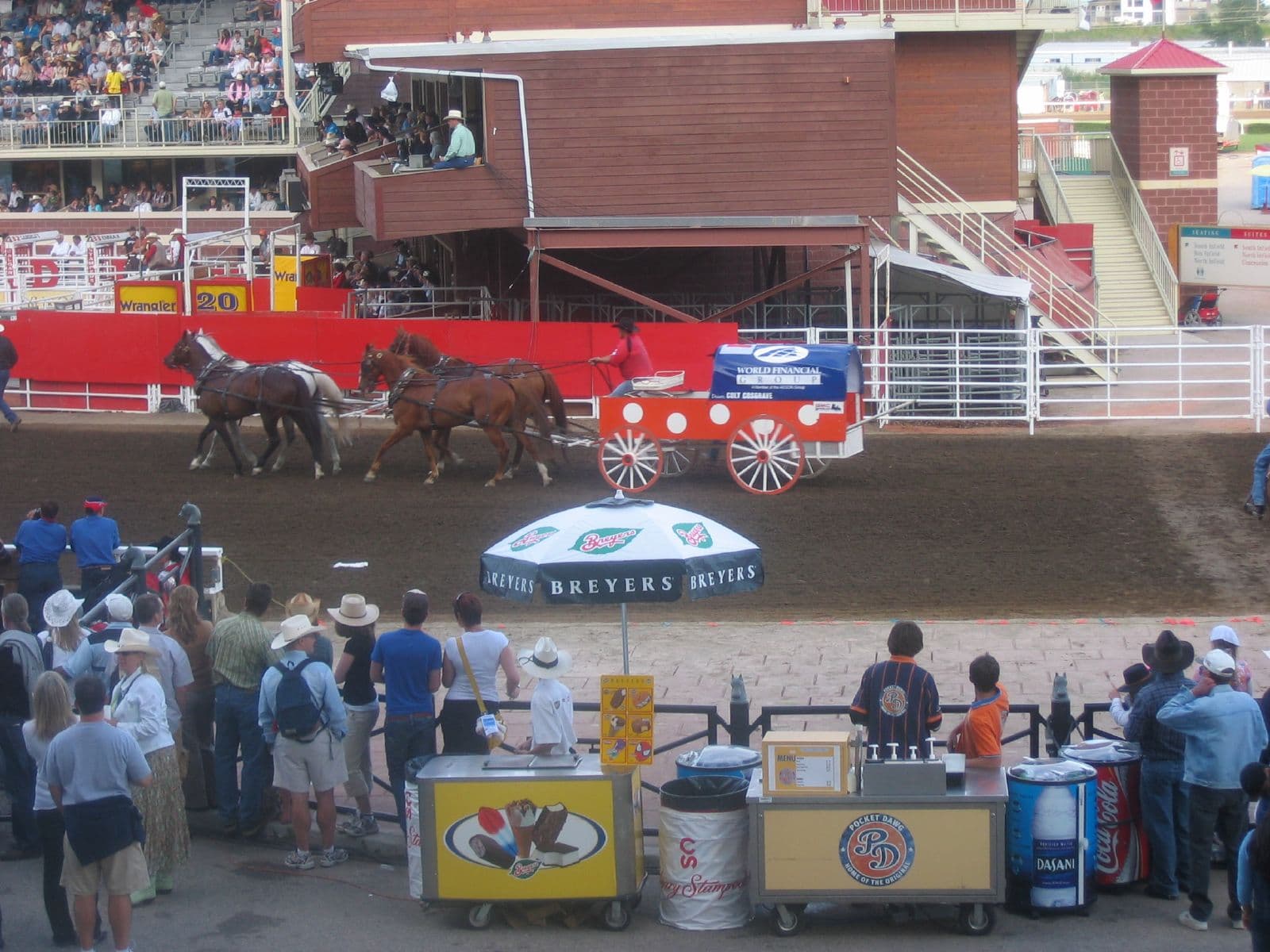
Saturday morning is the parade. The Houston Livestock Show and Rodeo Parade rolls out of Memorial Park at first light and works its way through downtown Houston to the foot of City Hall — a two-and-a-half-mile route lined with somewhere between two and three hundred thousand spectators on a clear year. The trail riders are the heart of the parade. Wagons come behind the lead riders in section after section, each ride in its own colors, chuck wagons rolling slow on the asphalt, mules sweating, a high school marching band somewhere in the gaps. The whole column takes about three hours to pass a given point. It is one of the largest equestrian parades in the country and the only one that runs into the central business district of a top-five American city.
What to expect on a trail ride.
The day starts before dawn. Camp coffee is on by four. The wranglers are out catching horses by four-thirty. Breakfast — eggs, bacon, biscuits, maybe sausage gravy, depending on the cook — is at five. Riders are saddled and the column is moving by sunrise, which in late February out of Brenham is about six-forty. The morning ride runs four to five hours at a walk, with a midday stop for lunch and a horse rest. The afternoon ride runs another three or four hours and ends at the next night's camp by four or five in the afternoon. Then it is horses to picket, wagons unhitched, camp set up, a little time to clean tack and rest, and supper around the chuck wagon by six-thirty. Most riders are asleep by nine. Then the cycle starts again.
The food is a piece of the ride. Each chuck wagon on each ride feeds its own section — usually thirty to fifty riders out of that wagon — and the cooks compete quietly with each other from day to day. Stew, brisket, chili, beans, cornbread, biscuits, cobbler in a Dutch oven on the coals for dessert. Coffee is strong and constant. If it is a cold year, the dawn cup is the best one of the day.
You ride in any weather. February in southeast Texas can be a gorgeous sixty-five-degree afternoon or a freezing rain at forty with a north wind. Most years it is some of each. The rides do not stop for weather. You wear a slicker, you cover your tack, and you keep moving.
The role of wagons on the rides.
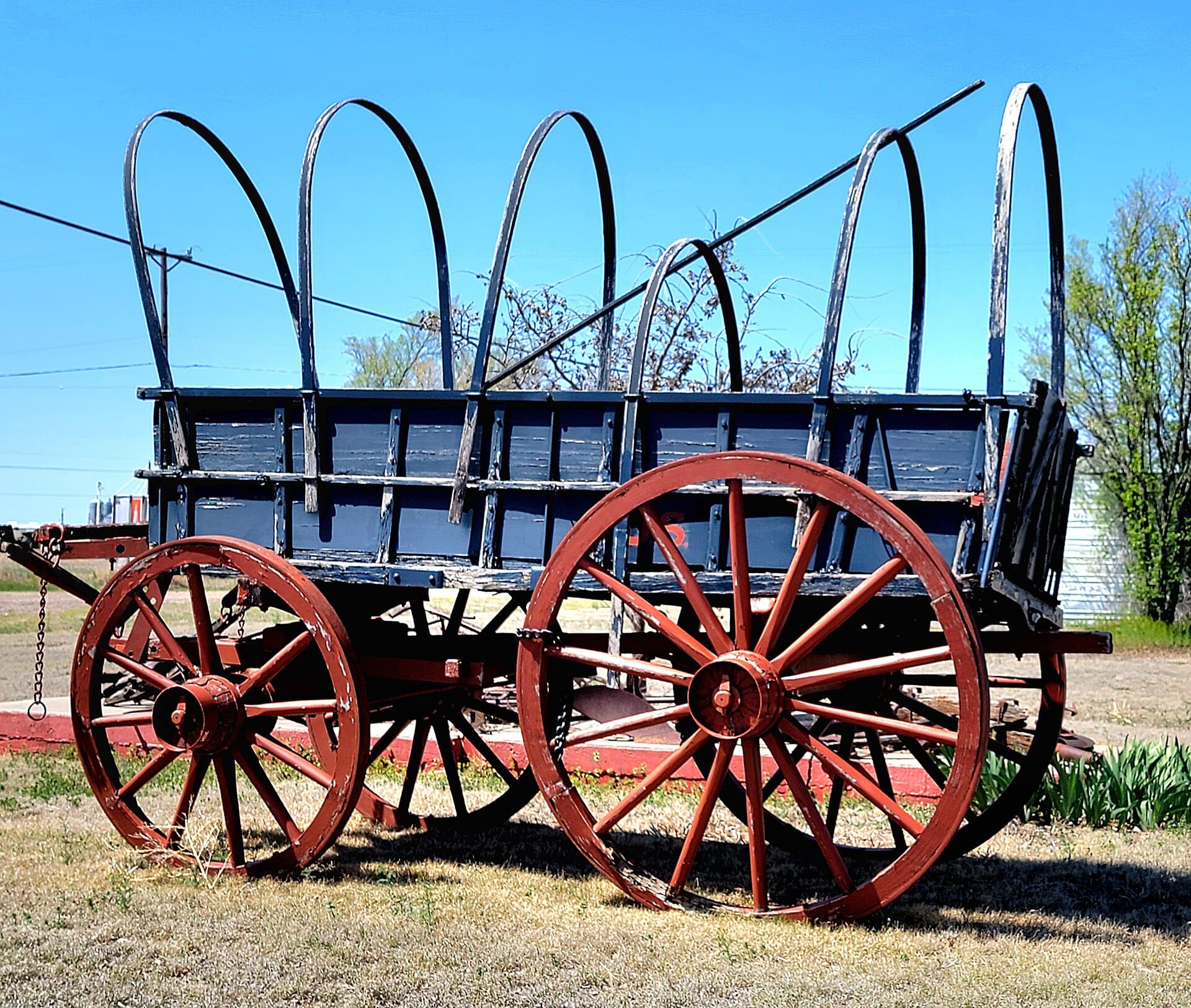
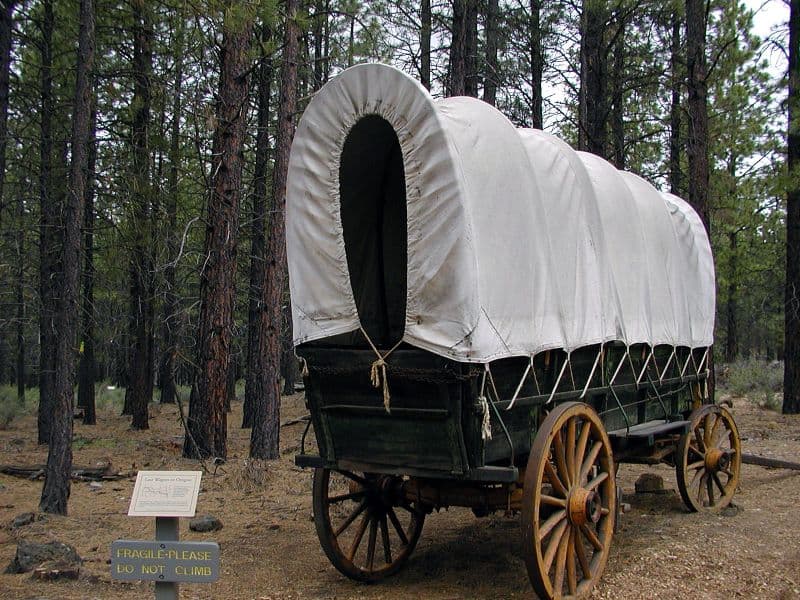
Every ride has wagons in the column. The chuck wagons do the cooking and travel with the section they feed. Beyond the chuck wagons, most rides carry passenger wagons — usually converted farm wagons or freight wagons that have been rebuilt to seat eight or ten people on benches with a canvas top against the sun. Passenger wagons are for riders who cannot stay in the saddle for ten hours a day. Older riders, young kids, anyone nursing an injury, anyone who just wants a break. The wagons trail behind the mounted section at the same pace.
A few rides also carry hoodlum wagons — utility wagons that haul bedrolls, spare tack, water, and trash. The hoodlum wagon is what makes a long ride logistically possible. Without it every rider would have to carry everything they needed, and a hundred riders trying to carry their own bedrolls on horseback would not work. The hoodlum wagon is unromantic but essential. Every ride has at least one. Some have three or four.
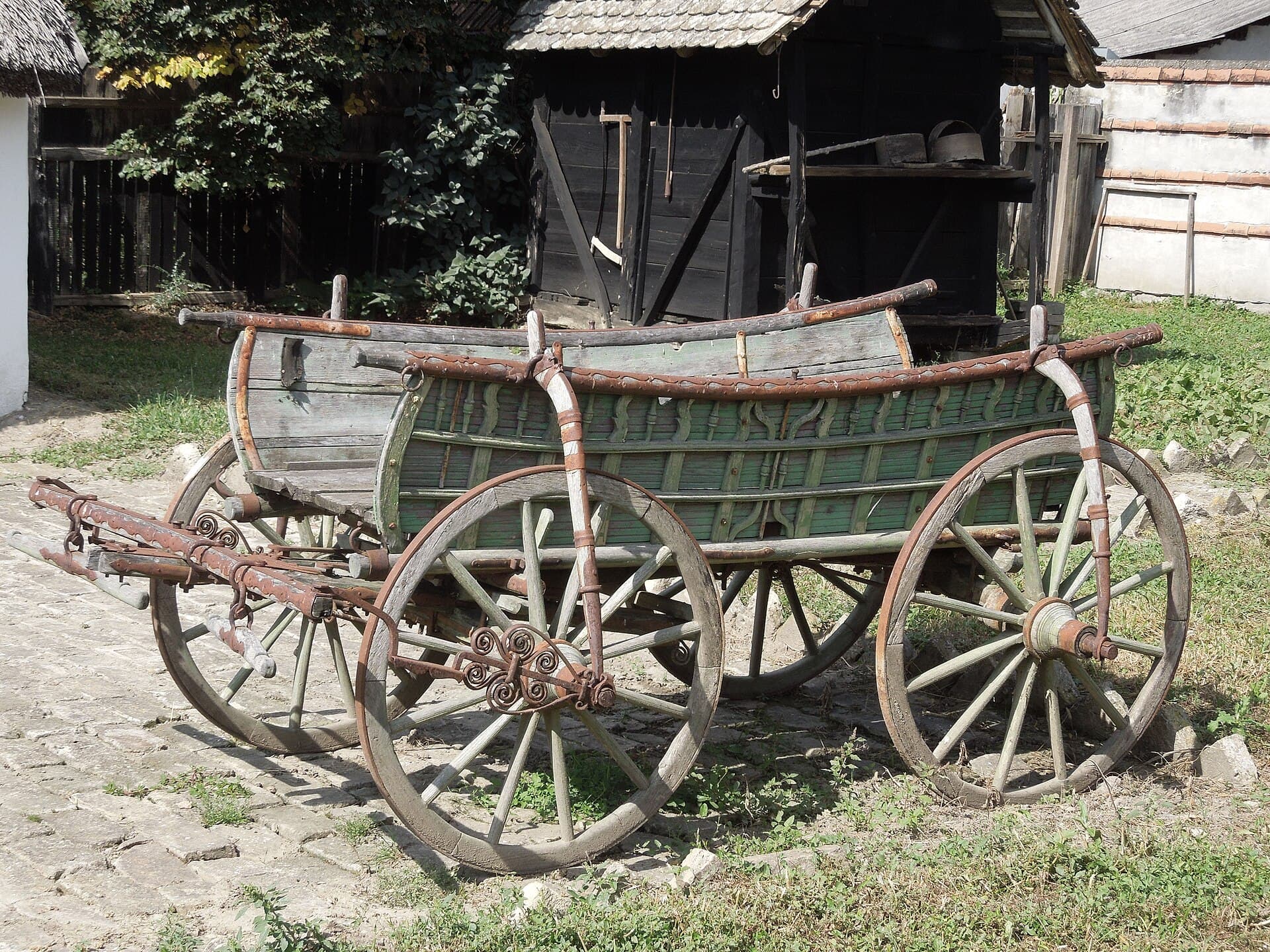
Wagon ownership on the trail rides has been thinning for thirty years. The wagons that show up are mostly inherited — a great-grandfather's farm wagon kept in a barn, dragged out and rebuilt enough to roll the seventy or two-hundred miles into Houston. Most rides will tell you their wagon count is lower than it was a generation ago. Replacement wagons are expensive and there are not many shops left building them. That is part of why we are working on what we are working on.
How Healin' Wheels fits in.
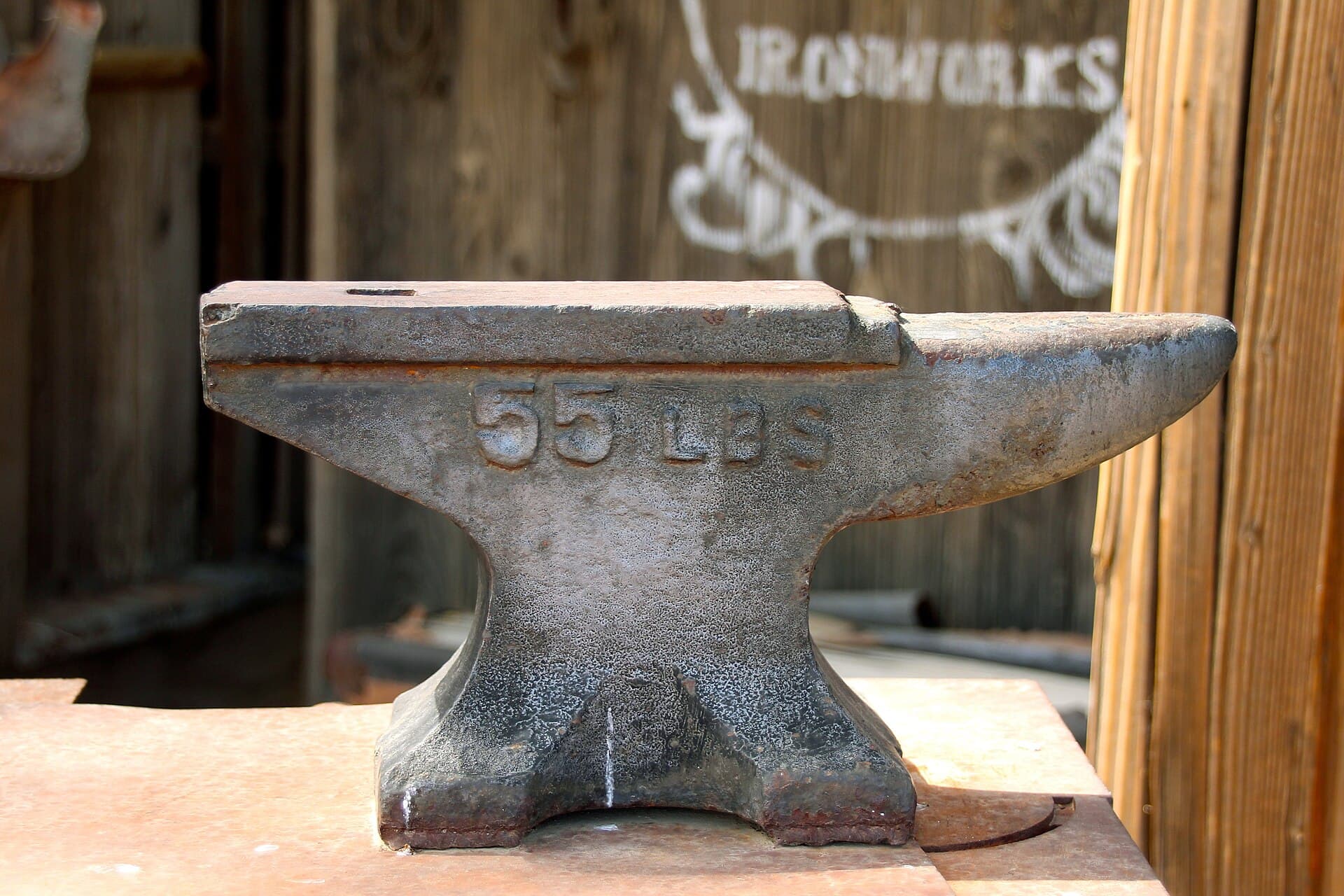
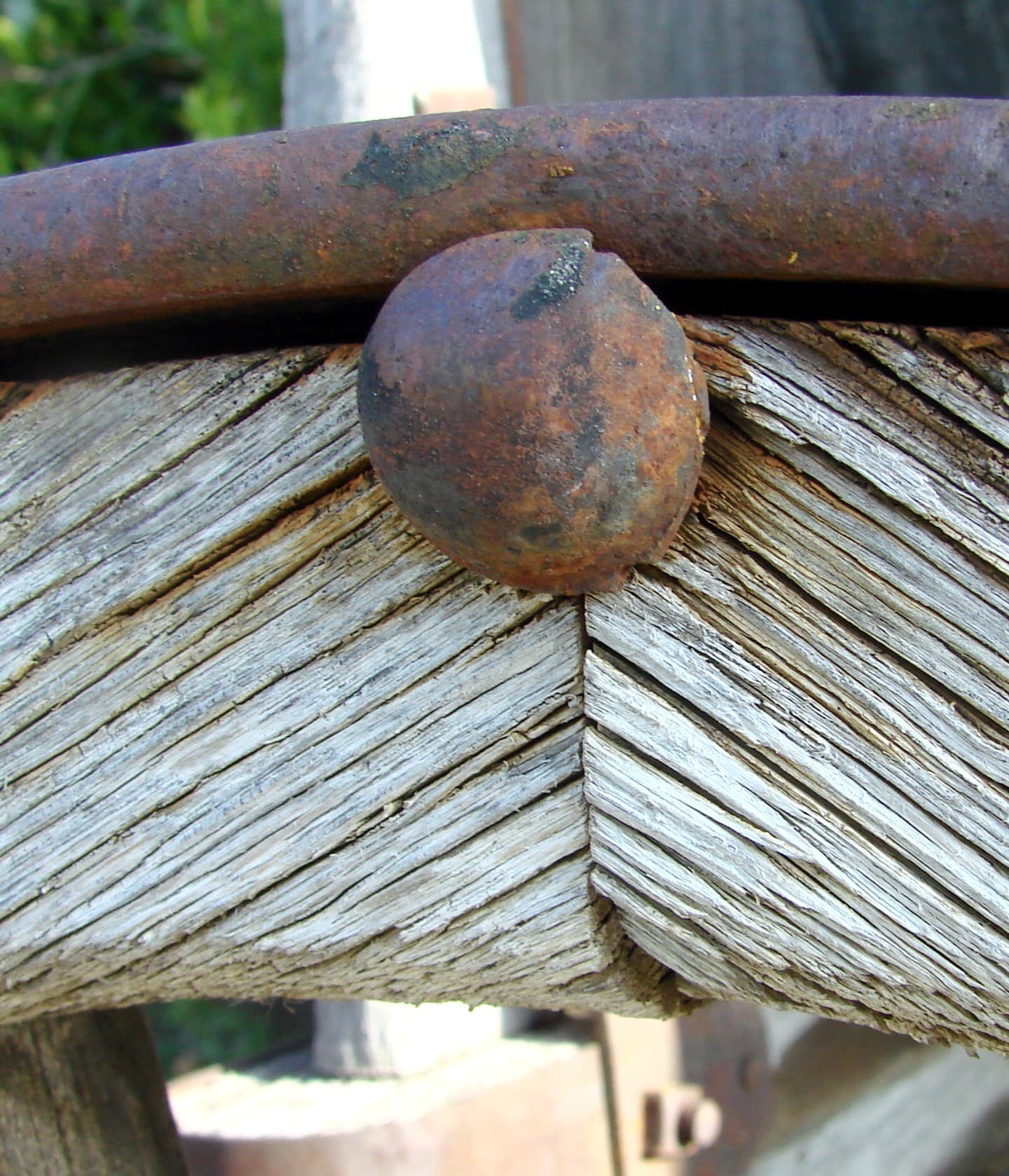
Healin' Wheels is a wagon shop in Midway, Texas — east-central Texas, between Houston and Dallas — and our work is building heritage-pattern wagons with accessibility built into the frame. Wheelchair ramps that fold flat into the tailgate. Lift points engineered into the bows. Seating that lets a rider who cannot mount a horse still travel with the column and sit in the camp like everyone else.
We have not yet ridden a Houston rodeo trail ride. Our intent is to roll a first wagon into the 2027 season — a passenger wagon built specifically for accessibility, with the goal of putting it in the column of one of the thirteen rides and letting it carry riders who would otherwise be told they cannot come. Which ride that first wagon ends up with will depend on conversations we are still having. What we can say is that we are building toward it, the wagon is taking shape in the shop, and the goal is February of 2027.
Beyond the first wagon, the longer plan is to make heritage wagons available to any of the thirteen rides that wants one — on loan for the ride, with a builder along to keep it sound, and with the wagon set up for accessibility from the ground up. The trail rides have been losing wagons for a generation. We would like to be part of slowing that down.
The Workshop
Want to ride with our wagon in 2027?
We are looking for trail ride captains, sponsors, and riders who want to help put the first accessible heritage wagon into a Houston trail ride column for the February 2027 Rodeo. If that sounds like work you would want to be part of, there is a phone number below and a person on the other end of it.